Massimo Gianquitto’s tips for a culture-filled holiday, with inspiring discoveries across Italy
“This summer I’ve chosen not to recommend museums of art, design or architecture—you can find those in any guide or blog. Instead, I want to focus on lesser-known places of real value: public and private spaces dedicated to fine artisan craftsmanship, often open by appointment,” says Massimo Gianquitto, ceo of Level Office Landscape, as he presents his annual summer guide to hidden cultural gems. “Let’s not forget: the history of design is rooted in the applied arts, in the Arts & Crafts movement. In Italy, these traditions remain a true asset and a cultural hallmark.”
Culture-Driven Holidays
While these quietly fascinating places promise refreshing mental stimulation, Gianquitto also recommends a thoughtful read before heading off: Lo spettacolo della Bellezza. Da Benvenuto Cellini agli artefici contemporanei (Marsilio Editori, 2021). “I also suggest exploring the website of the Fondazione Cologni, which promotes the value of heritage craftsmanship.”
Top Artisan Craft Museums to Visit in Italy
Here are Massimo Gianquitto’s five recommendations for artisan craft museums worth exploring on your summer break.
Tombolo Lace Museum – Between Pescocostanzo and Offida
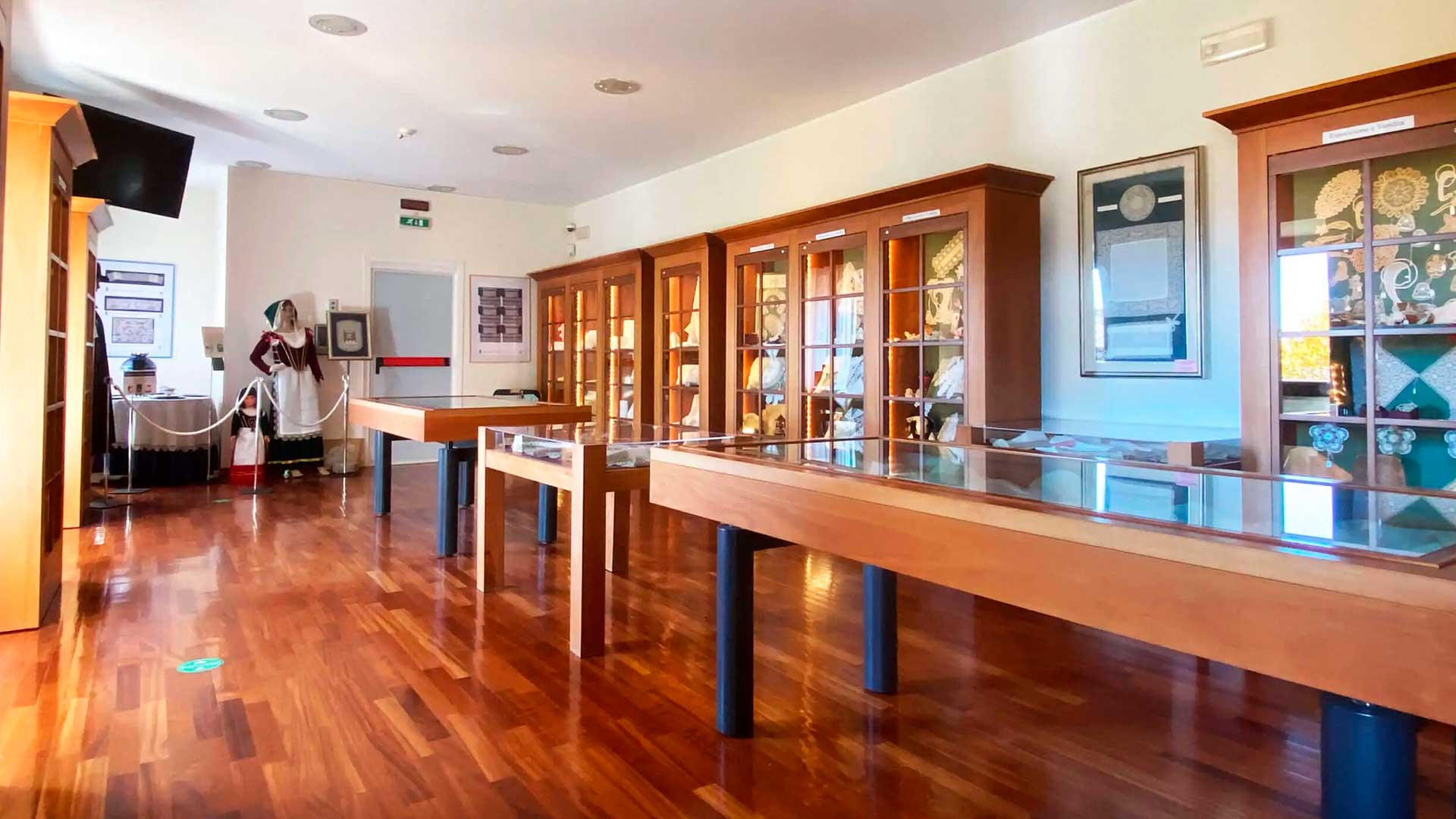
Housed in the evocative Palazzo Fanzago, in Pescocostanzo (Abruzzo) this museum showcases the local tradition of bobbin lace-making across two floors. Displays include tools, techniques and historic artefacts, including the famed “Colazione del Principe” composition. Highlights feature 18th- and 19th-century lace, ecclesiastical textiles and contemporary works, all bearing witness to a legacy passed down with care and precision.
Offida’s Lace Museum is instead located in the 19th-century Palazzo De Castellotti in the region of Marche. Dedicated entirely to the art of handmade bobbin lace, the museum displays tools, threads, sketches, samples and historic and modern textiles. Among its treasures is a gown made by local lacemakers for Naomi Campbell in 1997. The museum’s collections are dynamic and continuously updated, with contributions from private lenders.
The Colour Library – Fornace Orsoni 1888, Venice
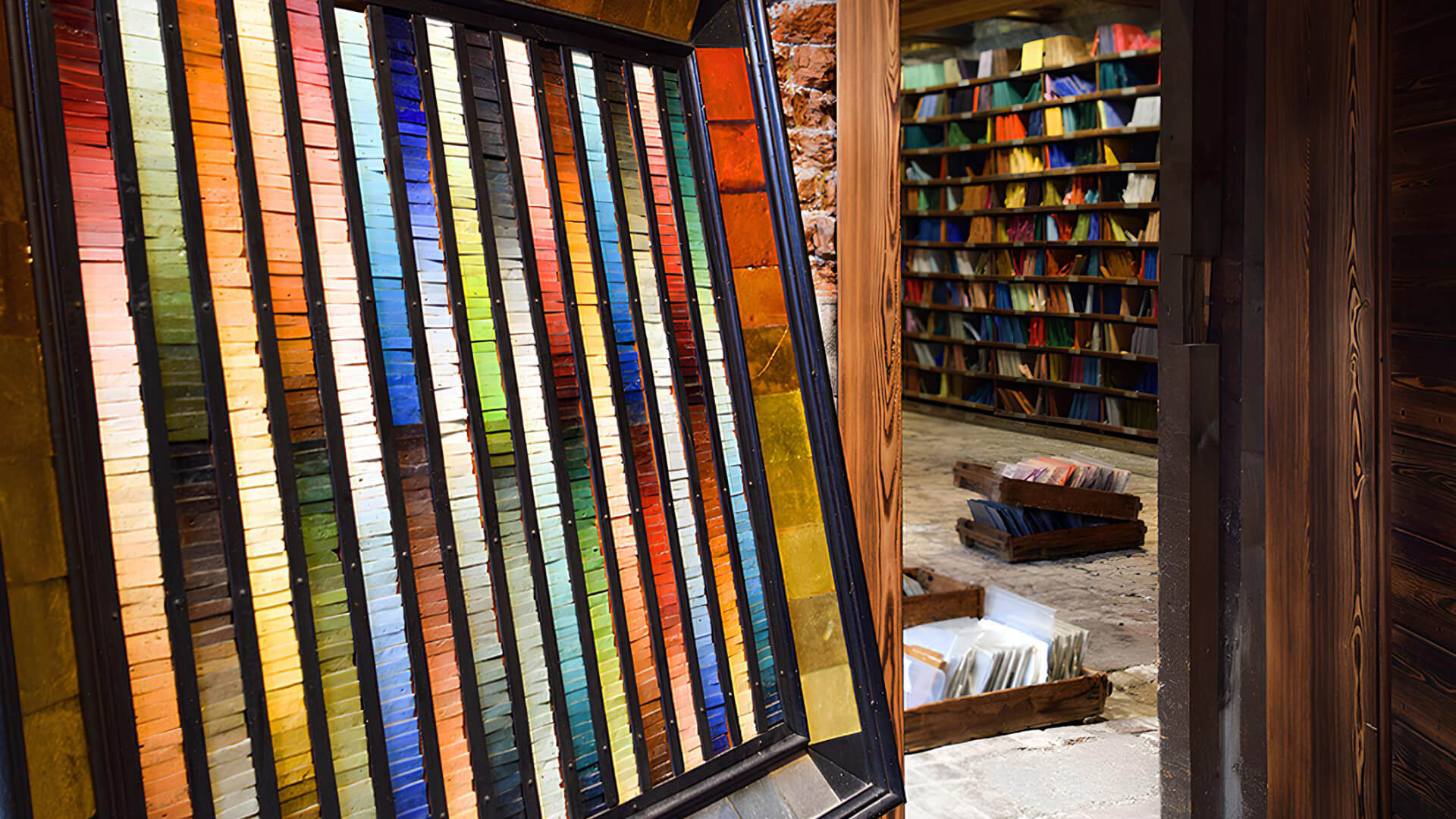
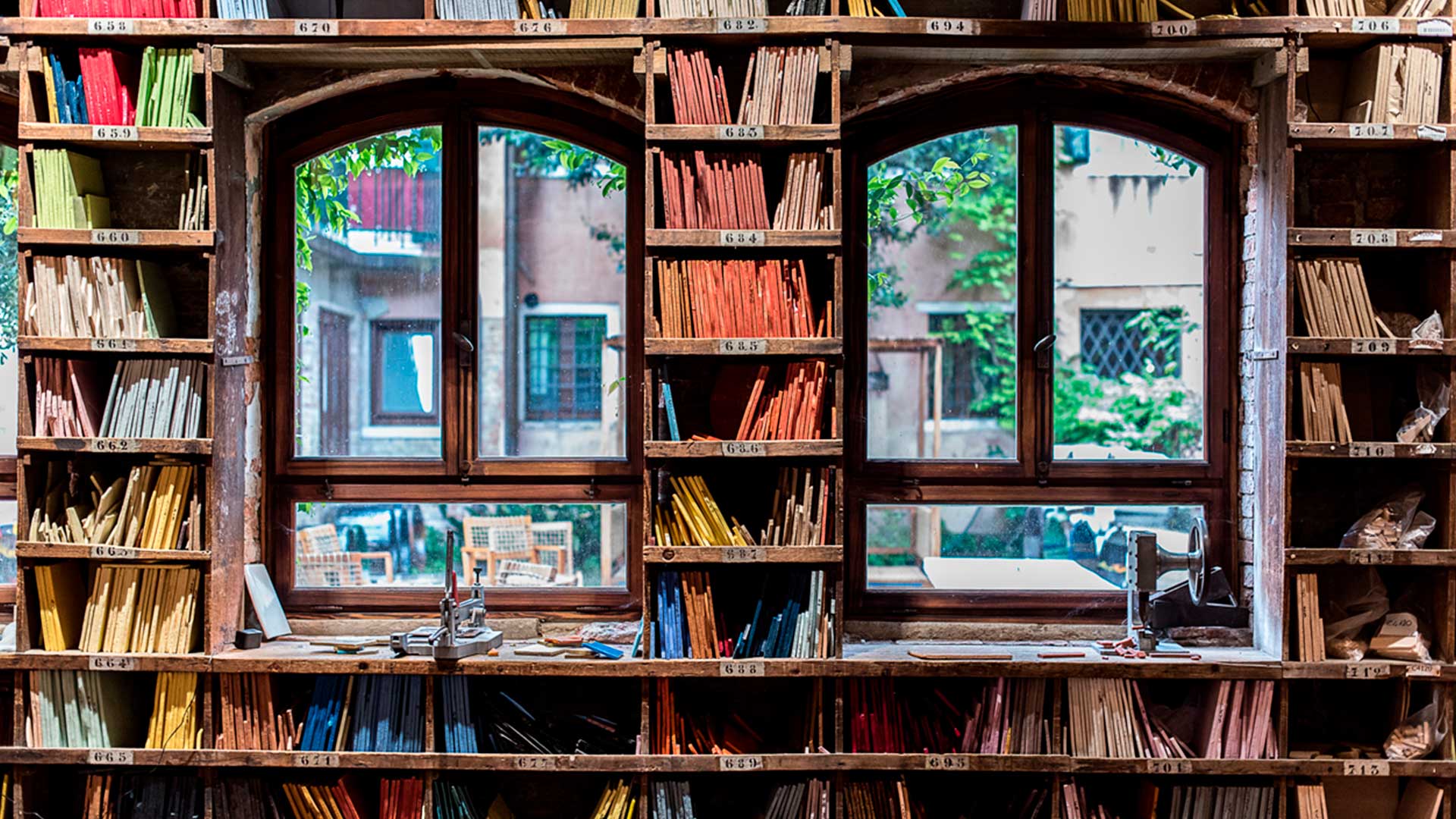
In the Cannaregio district of Venice, a historic glass furnace hides over 3,500 shades of enamel and gold leaf, arranged like an infinite painter’s palette. Founded in 1888, it’s one of the last places still producing handcrafted mosaic tesserae using traditional methods. A temple of colour and craft, the furnace remains active and is open to visitors by appointment only.
Bisso Museum – Chiara Vigo, Sant’Antioco (Sardinia)
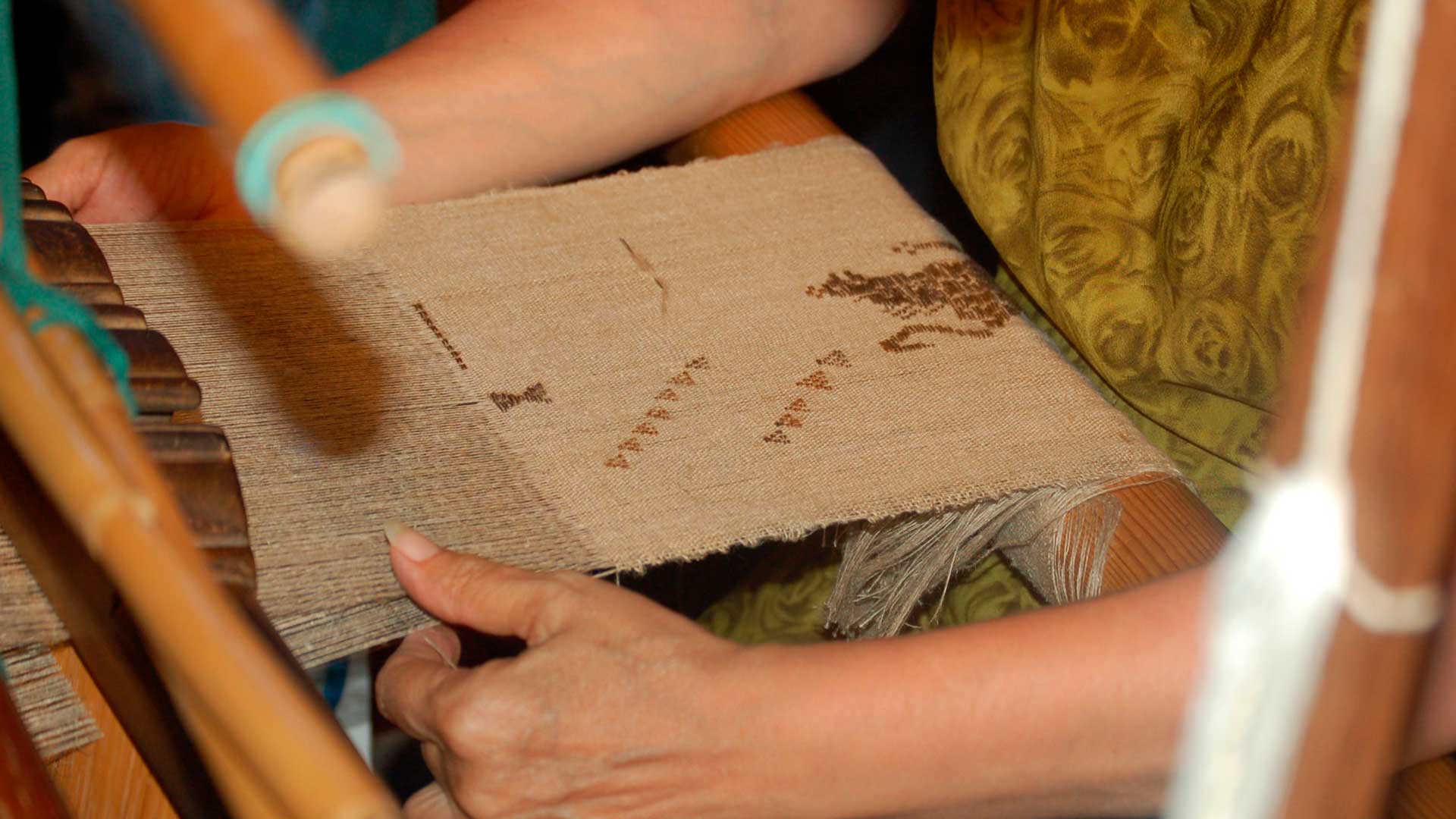
On the island of Sant’Antioco, Chiara Vigo—widely believed to be the only living master of sea silk—continues the ancient art of weaving bisso, an ultra-rare fibre harvested from the Pinna nobilis mollusk. In her museum-studio, accessible only by reservation and in small groups, visitors can witness the intricate process of spinning, algae dyeing and handweaving—a knowledge passed down through generations.
MIDeC – International Museum of Ceramic Design, Laveno-Mombello (VA)
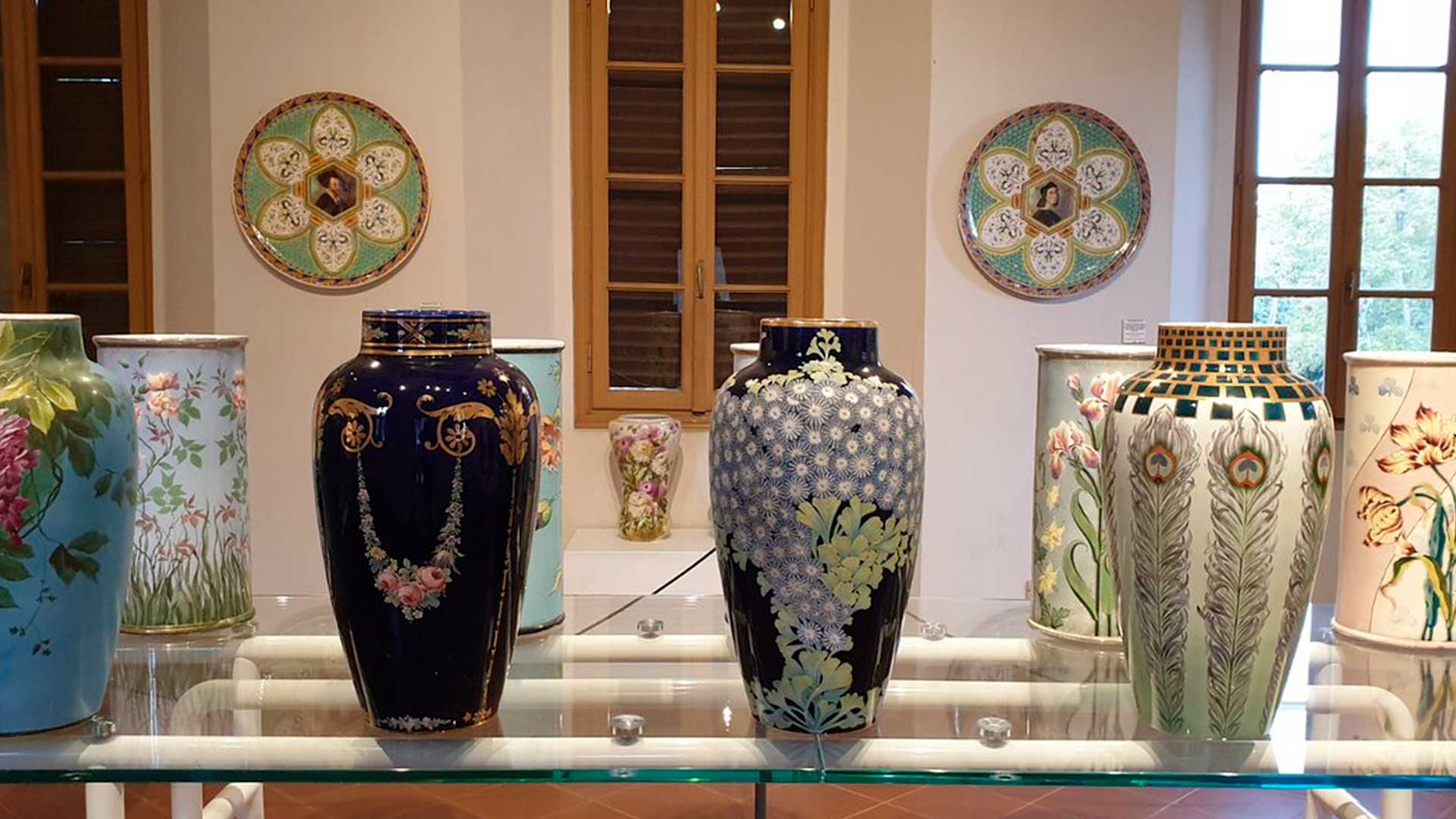
Set within the 16th-century Palazzo Perabò overlooking Lago Maggiore, this museum charts Lombardy’s ceramic production from the 1800s to today. Its collection includes vases, plates, Art Nouveau objects and works by Italian design pioneers such as Guido Andlovitz, Antonia Campi and Angelo Biancini. Educational programmes, events and workshops add further depth to the permanent collection, highlighting innovation and heritage.
Tipoteca – Museum of Printing and Typographic Design, Cornuda (TV)
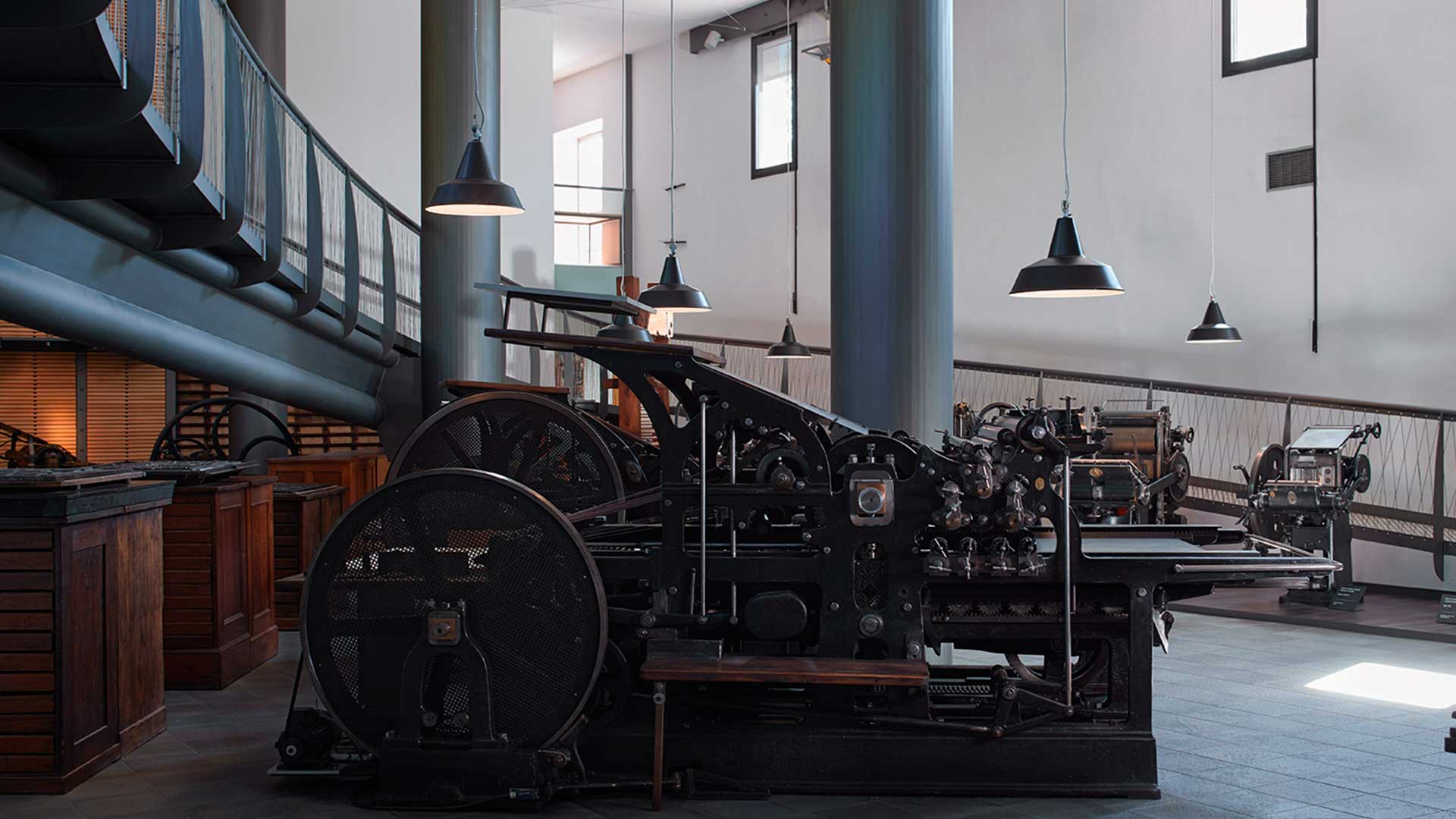
In the former Veneto Hemp Mill, a 3,000-square-metre space preserves over 5,000 type families in wood and lead, along with presses, matrices and movable type. Immersive displays trace five centuries of typographic history—from Gutenberg to the 20th century—with many machines still operational. The museum also hosts exhibitions, workshops, typesetting courses and a large auditorium, establishing itself as an international reference for the graphic arts.