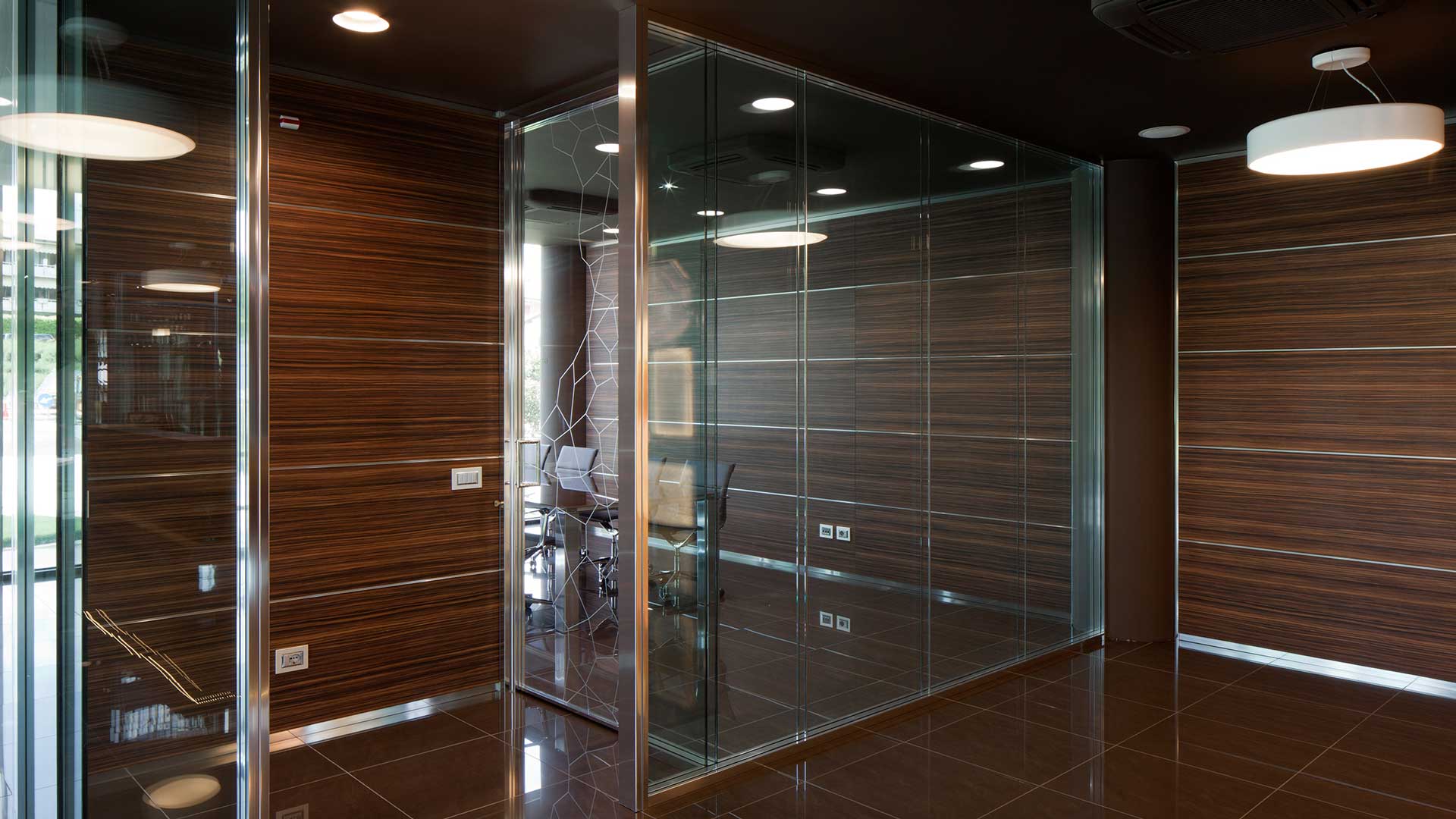
How to use melamine panels in the office and what are the technical features of this widely used workplace material.
Melamine Panels in Office Furniture
Melamine and laminated panels are among the most commonly used materials for creating office furniture. Their versatility, durability, and high performance make them ideal for work environments while keeping costs manageable. Resistant to scratches and available in a wide array of colors and finishes, melamine panels add character to office spaces and can be tailored to meet specific design preferences.
What Is Melamine?
Melamine is a widely used material in interior design and is part of the laminate family. It is produced by hot-pressing layers of chipboard and coating them on both sides with melamine resin. This process not only gives the material a wood-like aesthetic but also makes it compact and highly resistant. Renowned for its scratch resistance, longevity, and contemporary appearance, melamine fits seamlessly into minimalist and eclectic interiors alike. It offers smooth or textured surfaces, matte or glossy finishes, and can mimic the look of materials like wood or stone.
Advantages of Melamine in Office Design
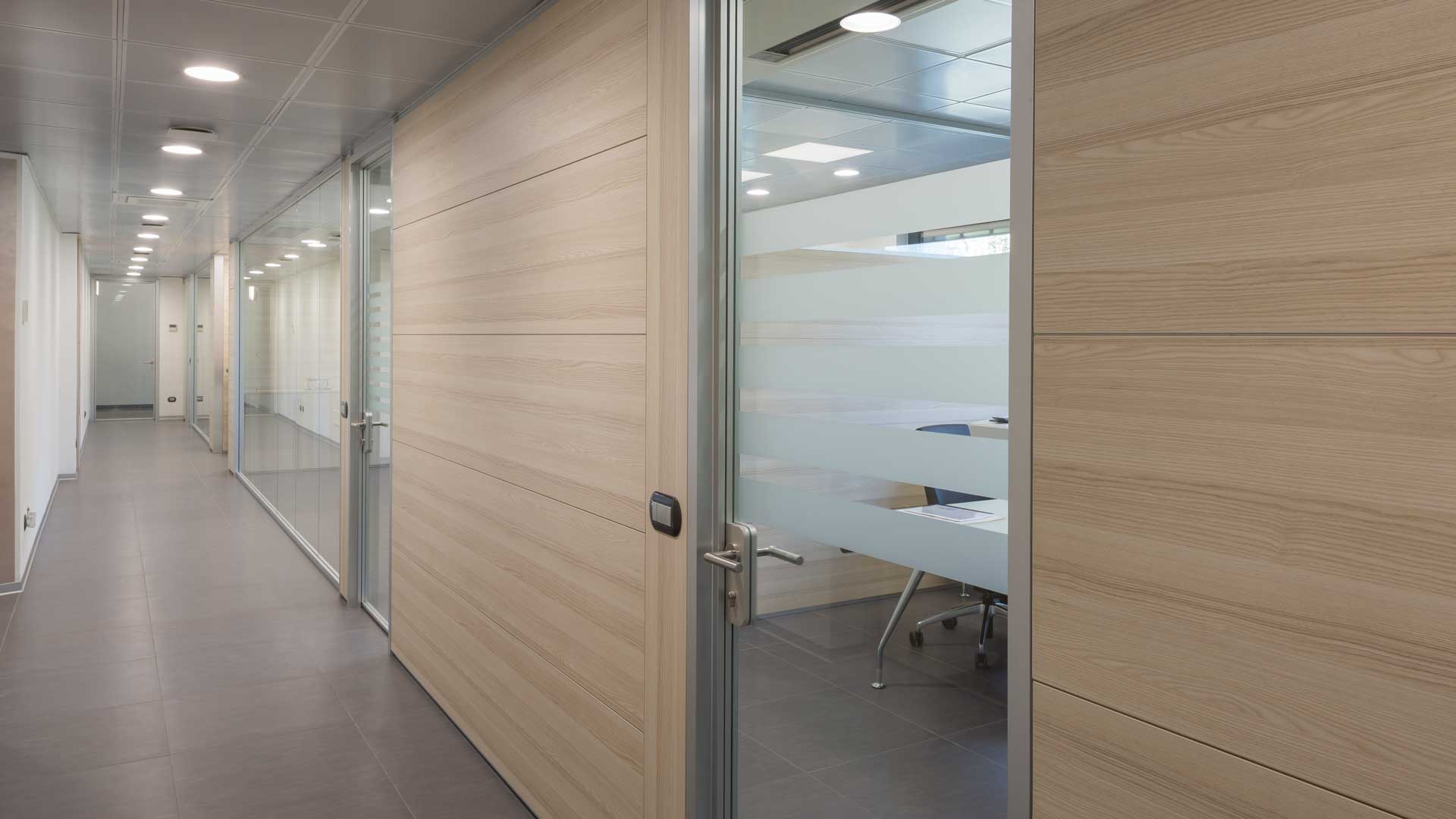
Melamine achieves a high-end look similar to solid wood at a fraction of the cost. Despite its lightweight chipboard core, it boasts impressive resistance to wear, scratches, and heat. Easy to clean and versatile, melamine can replicate finishes such as cement or stone. Additionally, water-resistant melamine panels provide durability against humidity and moisture.
Melamine vs. Laminate and Solid Wood
While melamine consists of chipboard coated with melamine resin, laminate is made by pressing multiple layers of paper or wood fibers with thermosetting resins. Laminate tends to be thicker and more robust. Compared to solid wood, which requires extensive processing and treatment, melamine is more cost-effective and eco-friendly. High-quality melamine panels are typically 1.8 to 2 mm thick and free of recycled materials.
Applications of Melamine in Office Design
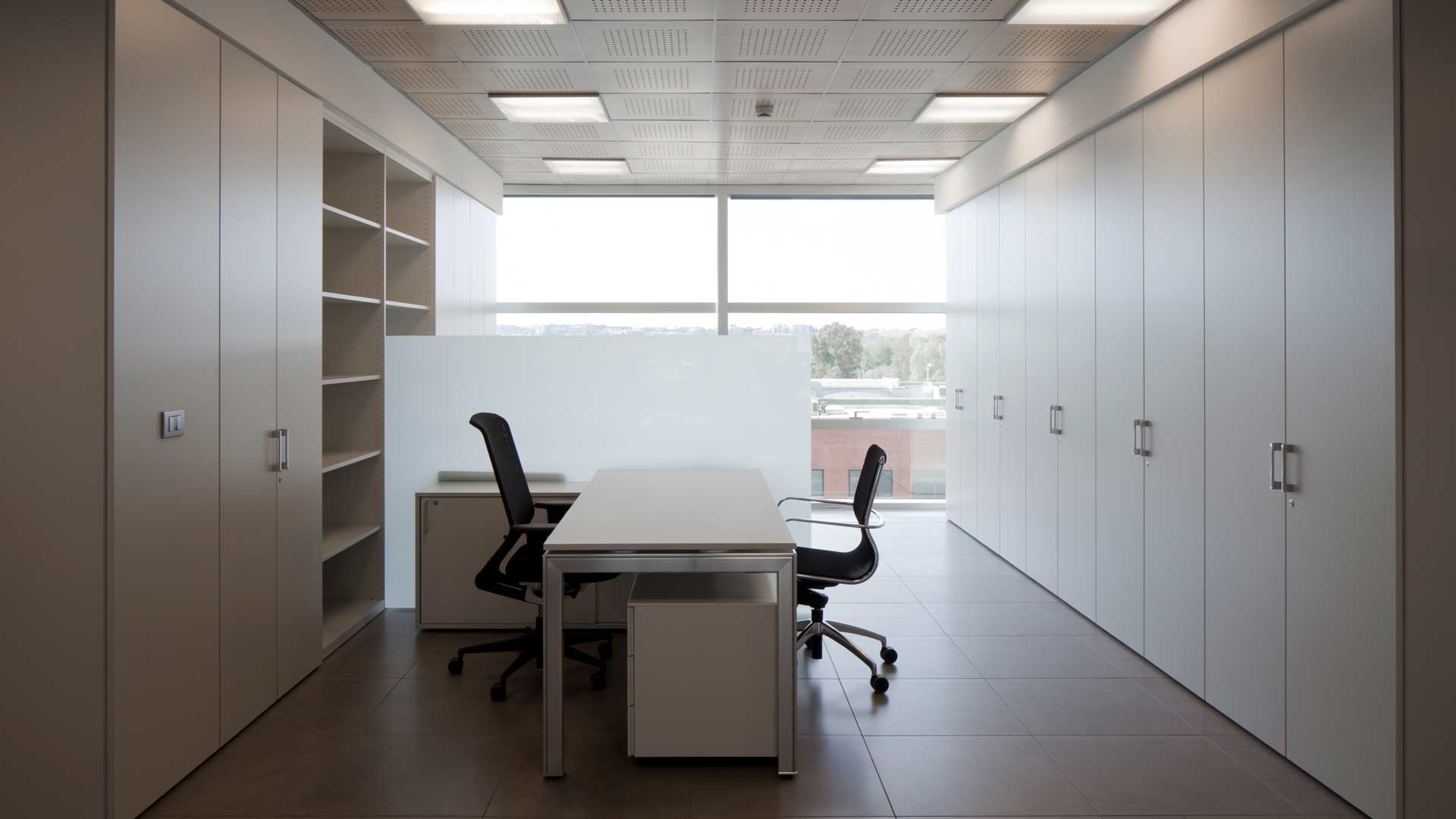
Melamine panels have numerous applications in office spaces, including:
- Desk and table surfaces
- Cabinets, storage units, and bookshelves
- Wall claddings
- Solid partition walls with shelving for boiserie systems
- Desk divider screens
- Technical modules
- HVAC covers
- Partition systems like the Industrial and Box Kubo series
Desk and Table Surfaces
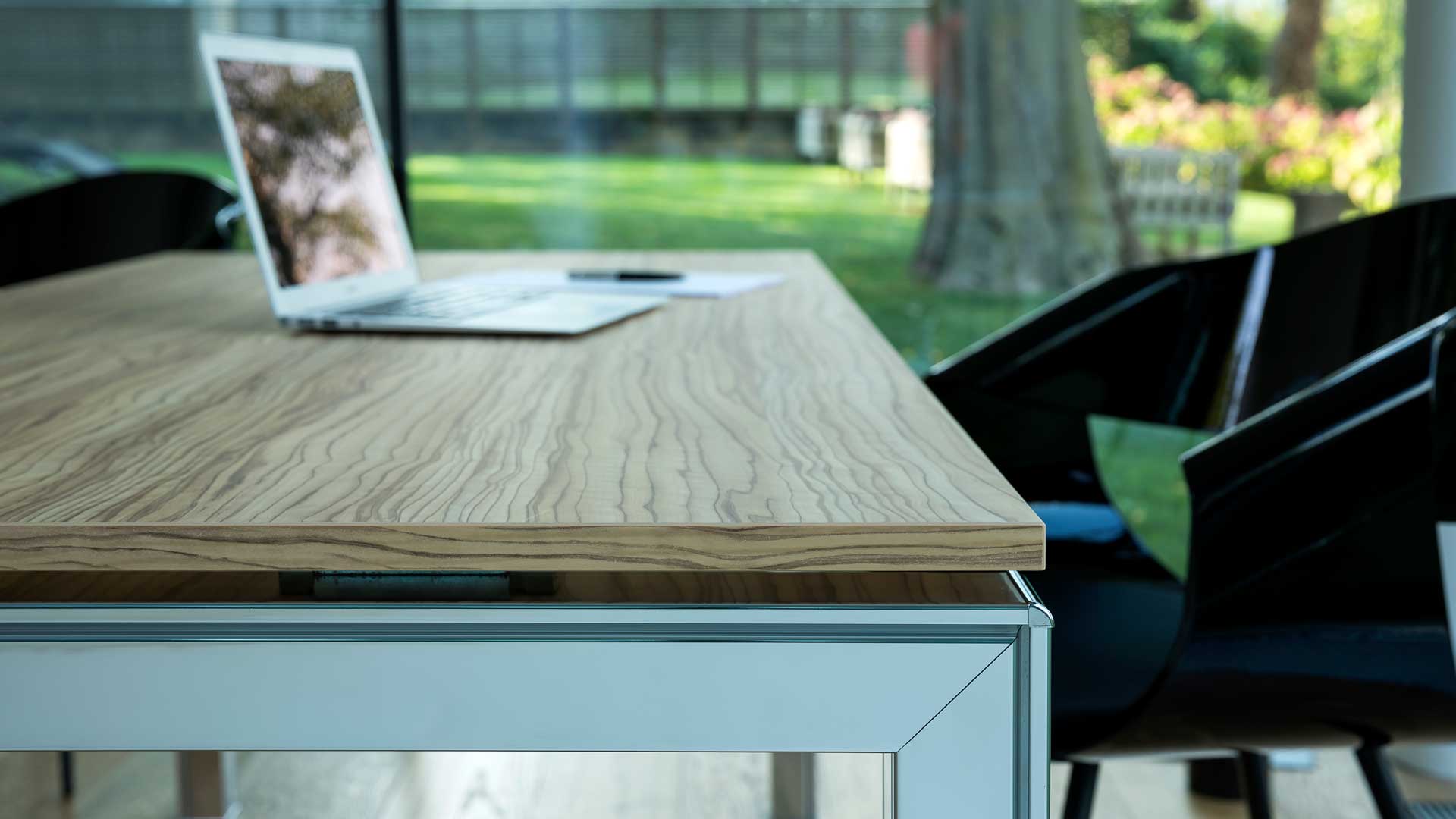
Melamine panels are used to create desk and table surfaces with finishes that mimic wood grain, concrete, or stone, adding both visual appeal and functionality.
Desk Divider Screens
Ideal for shared workstations, melamine divider screens ensure privacy and define individual workspaces. They can be mounted directly onto desks or attached with metal supports, offering endless customization options.
HVAC Covers
Melamine panels are often employed to conceal technical components such as HVAC units, blending them seamlessly into the office environment.
Partition Walls and Shelving Systems
Melamine panels finish solid partition walls, which divide workspaces visually and physically. Integrated boiserie systems can include melamine shelving, providing additional storage without cluttering desks.
Industrial and Box Kubo Series Walls
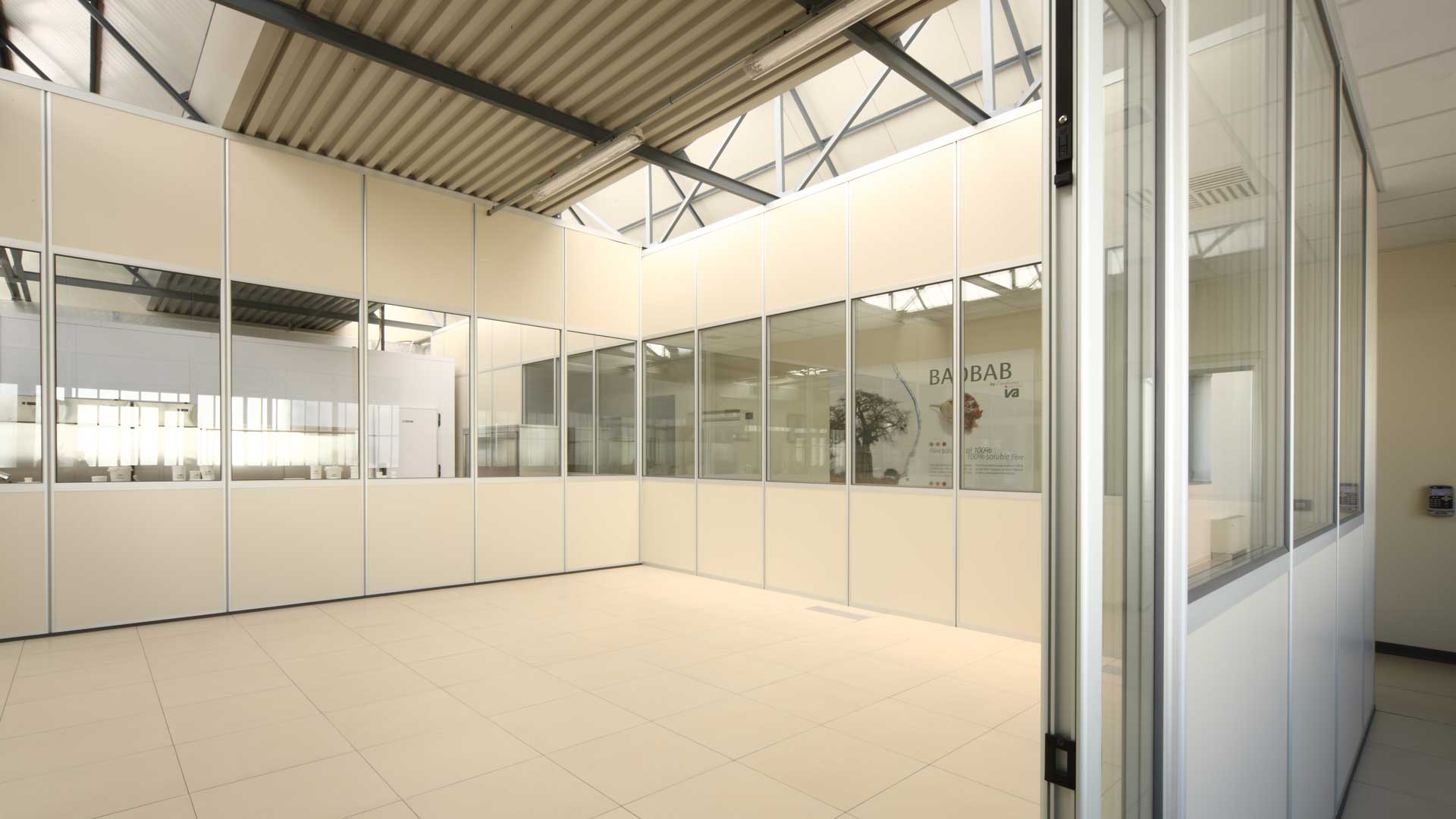
In Level Office Landscape’s Industrial series, melamine panels are used for durable, easy-to-clean surfaces. Insulating materials between panels enhance acoustic and thermal privacy.
Technical Modules
Melamine modules, often measuring 300 mm, integrate electronic components such as display screens, badge readers, and switches into office walls.
Cabinets, Storage Units, and Bookshelves
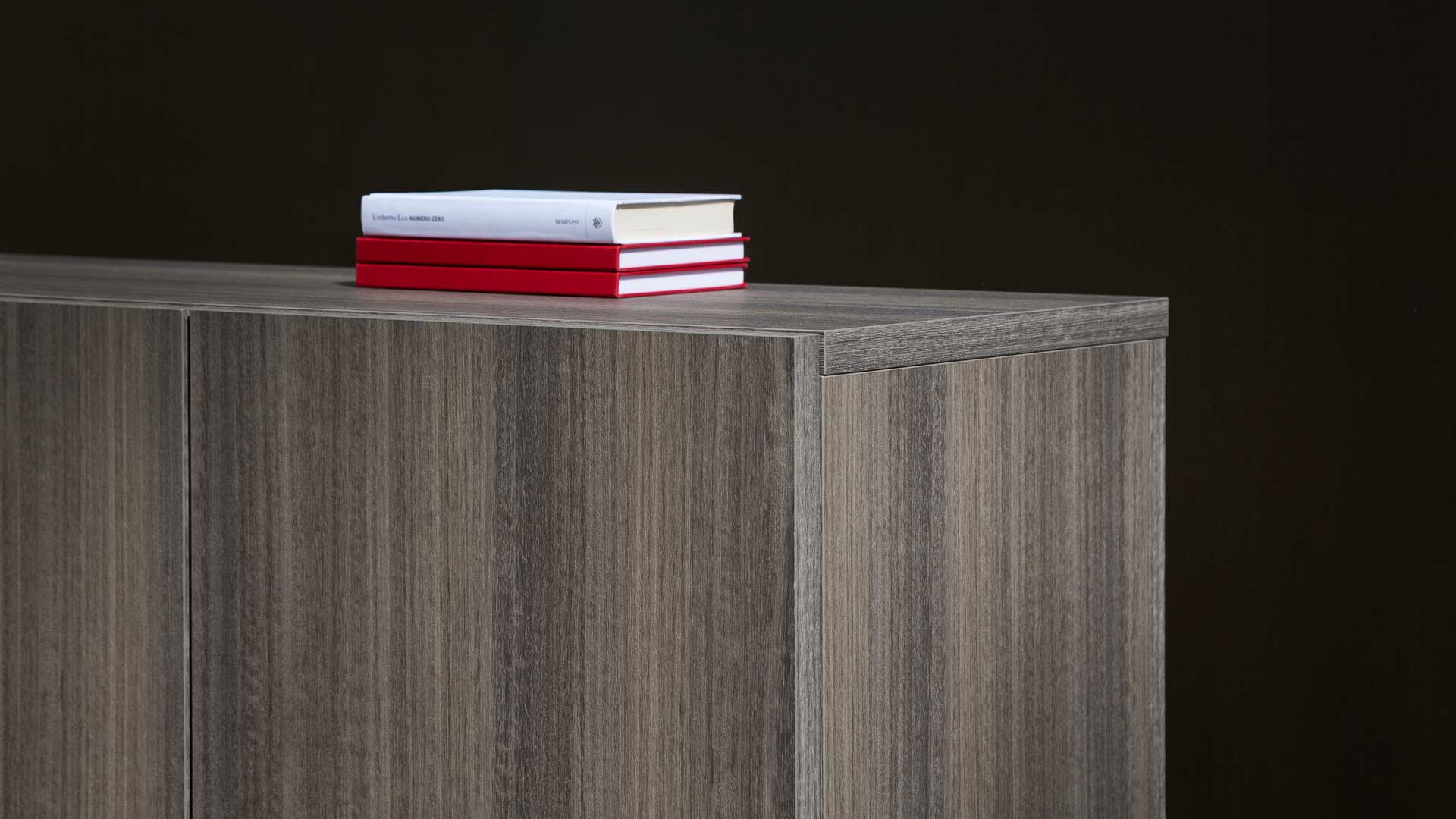
Melamine is a key material for office storage solutions. It integrates seamlessly with partition systems, creating cohesive and functional office designs.
Wall Claddings
For wall finishes, melamine panels (16 mm thick, edged with 2 mm ABS) offer durability and aesthetic appeal. Horizontal cuts can accommodate boiserie profiles for accessory attachments.
With its blend of practicality, affordability, and aesthetic versatility, melamine continues to play a central role in modern office design, offering innovative solutions for a wide range of applications.