
In 2026, the office confirms its role as one of the most fertile grounds for design experimentation. After years of accelerated change, the workplace is entering a phase of greater maturity—one shaped by structured visions that move beyond speed and instead weave together wellbeing, identity, sustainability and spatial quality. Emerging trends are no longer stylistic add-ons, but cultural tools to be integrated into projects, reflecting a different way of inhabiting work. Here are the key office design trends for 2026, where new scenarios meet attitudes that are steadily taking hold, all in service of employee wellbeing.
Residential Workplace: Domestic Comfort, Professional Rigor
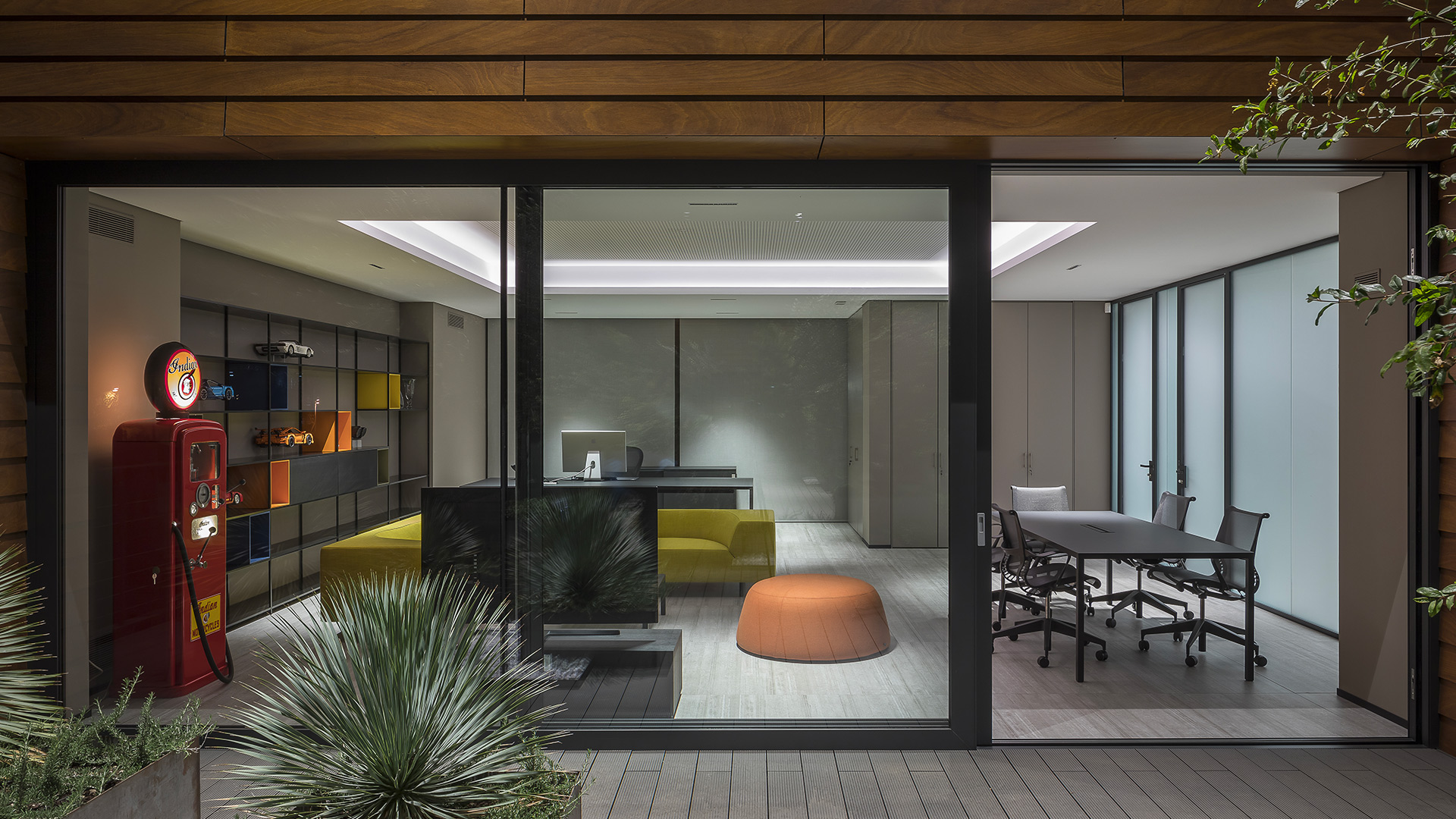
Alongside hotelification, a residential sensibility is gaining ground in the workplace. Offices are incorporating domestic atmospheres without sacrificing authority. Soft textiles, warm lighting, enveloping color palettes and furnishings inspired by the home create environments that feel less formal and more human. In 2026, the boundary between home and office will be twisted, resulting in spaces that foster concentration, dialogue and a sense of belonging.
Fluid Layouts and Adaptive Spaces

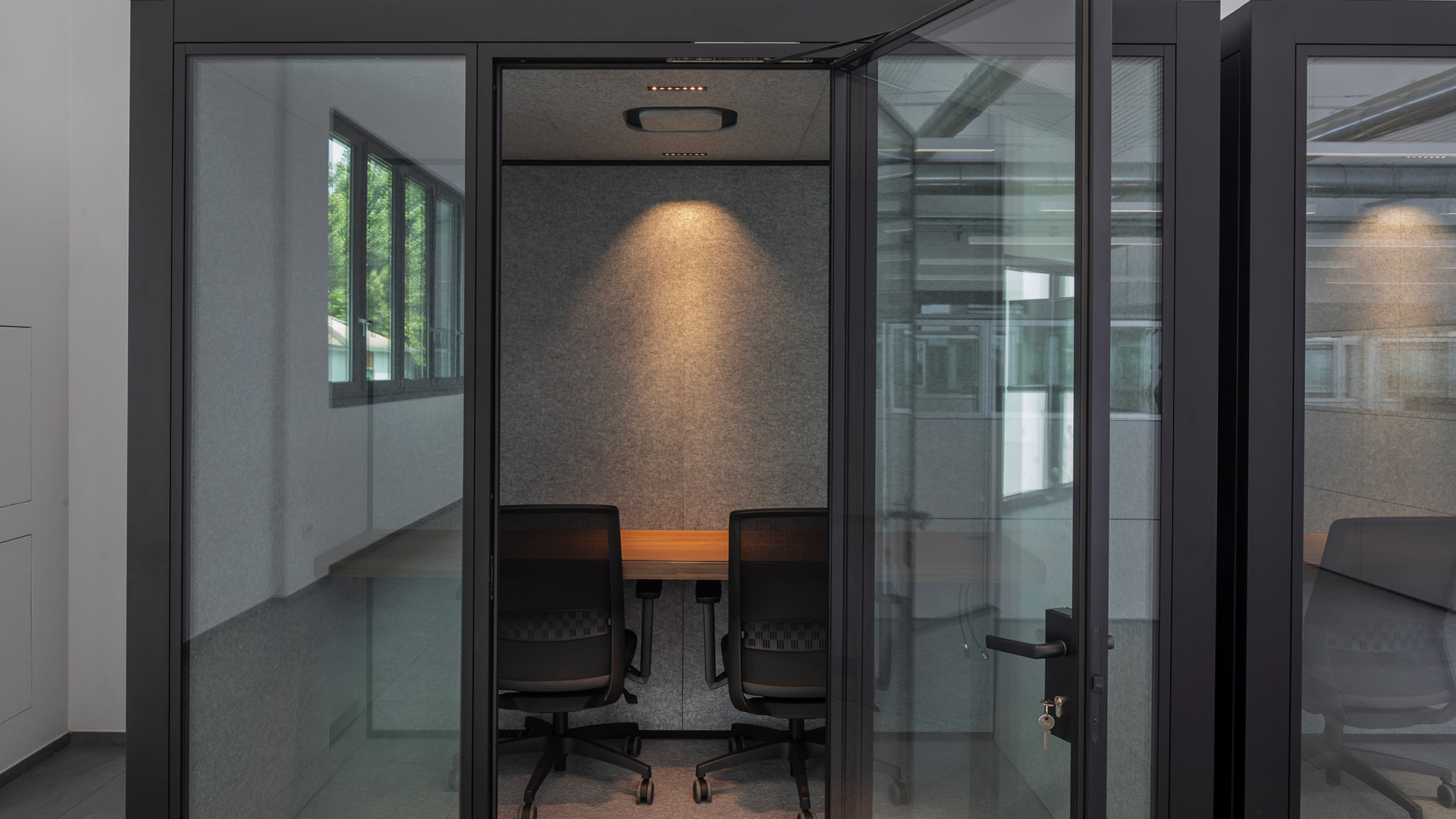
Flexibility is evolving into adaptive design. In 2026, offices will be conceived as systems capable of change without disruption. Movable walls and lightweight glazed partitions will pair with modular furniture and raised floors that allow rapid reconfiguration. The real shift lies in functional clarity: every space communicates its role. Undifferentiated open plans give way to fluid, legible environments that respond to hybrid and constantly evolving ways of working.
Durable Materials and Circular Design
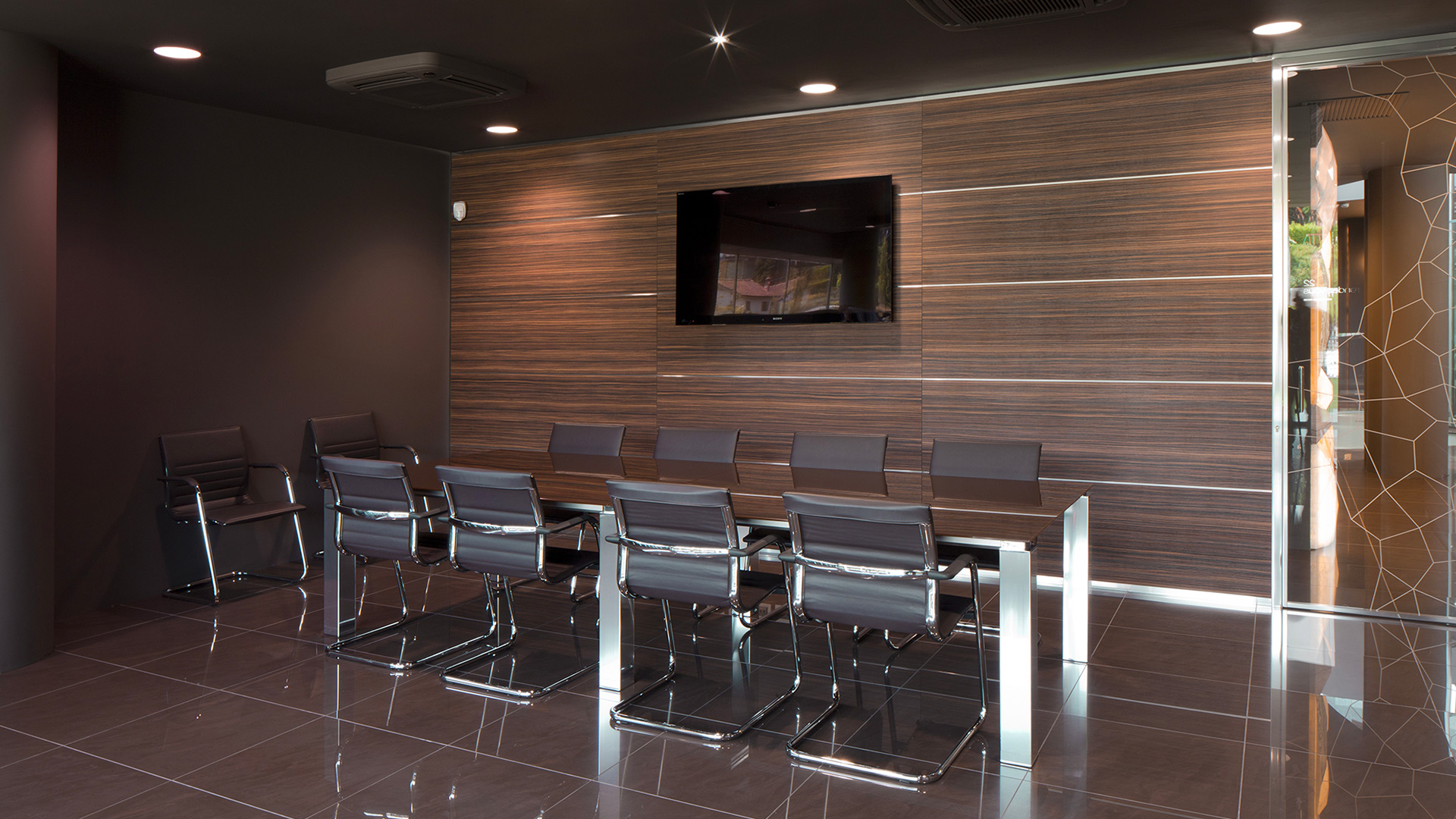
Sustainability moves beyond rhetoric and into matter. In 2026, furniture designed to last—demountable, repairable and upgradable—will become the norm. Certified woods, recycled metals and surfaces conceived for reuse will define design standards. Circular design thus becomes a concrete choice, encompassing the entire life cycle of the office space. Designing for longevity emerges as a form of cultural responsibility.
Concealed and Integrated Technology
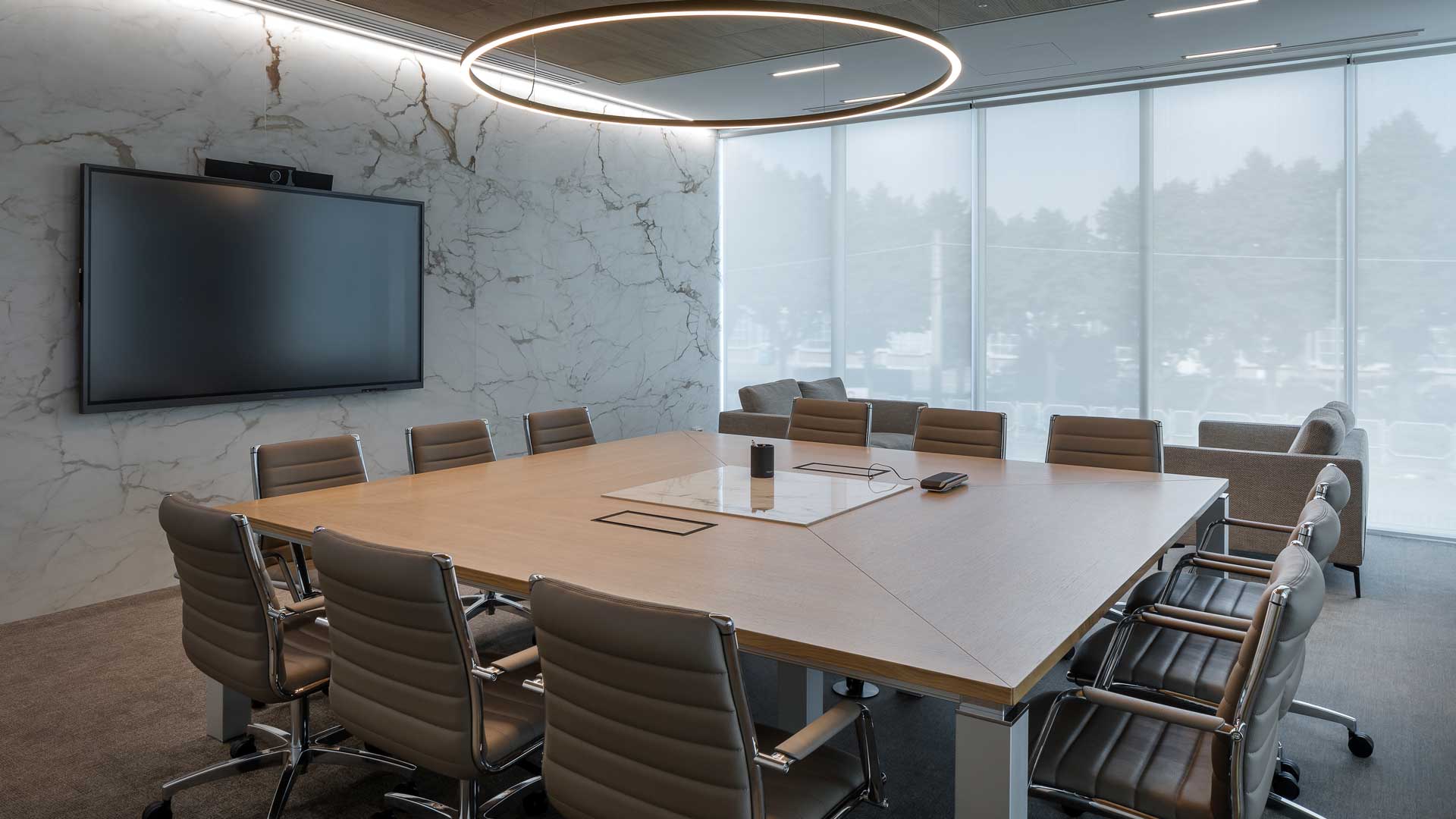
Technology remains central, but increasingly invisible. In 2026, the office will be hyperconnected without being visually dominated by devices. Videoconferencing systems, smart lighting, climate control and cabling will be seamlessly integrated into furniture and architecture. Technology supports the experience without shaping it visually—present, but no longer the protagonist.
A Return to Elegance
After years dominated by rigid minimalism and purely functional solutions, 2026 will mark a decisive return to elegance—defined by proportion, refined materials and close attention to detail. Boiserie wall paneling is back, alongside integrated storage walls that engage with architecture and continuous systems that bring order to space with quiet discretion. More and more companies traditionally rooted in the residential sector are now developing solutions for the workplace, while several door manufacturers are expanding their collections to include wall systems and architectural cladding that blur the line between home and office. The result is professional environments with a personal, cultivated language—far removed from the anonymity of standardized office design.
The Office as Living Room
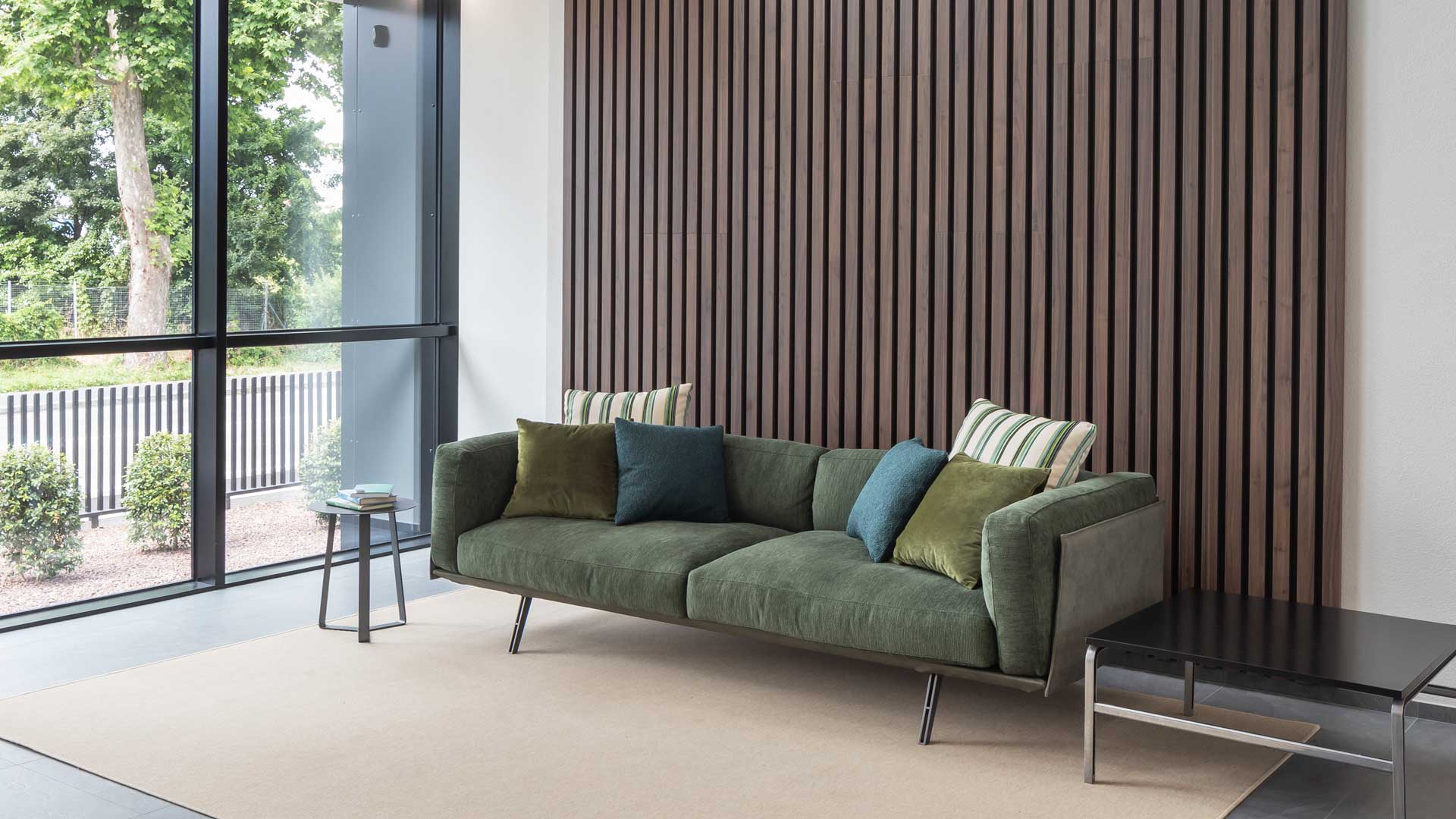
Another fast-growing trend is the transformation of entrance halls and waiting areas into true living rooms. The office increasingly serves as a company’s first point of contact and, as such, must convey prestige, taste and care. Sofas and armchairs drawn from the world of residential design are being chosen more frequently, offering visual and material comfort in addition to functionality. Traditional task seating gives way to refined upholstered pieces, covered in high-quality textiles and defined by generous volumes and domestic proportions. This shift responds to a clear demand from end clients, often dissatisfied with the generic offerings of contract suppliers. More than a waiting area, the office living room becomes a space for connection—designed to welcome visitors and express corporate identity.
The Central Role of the Kitchen
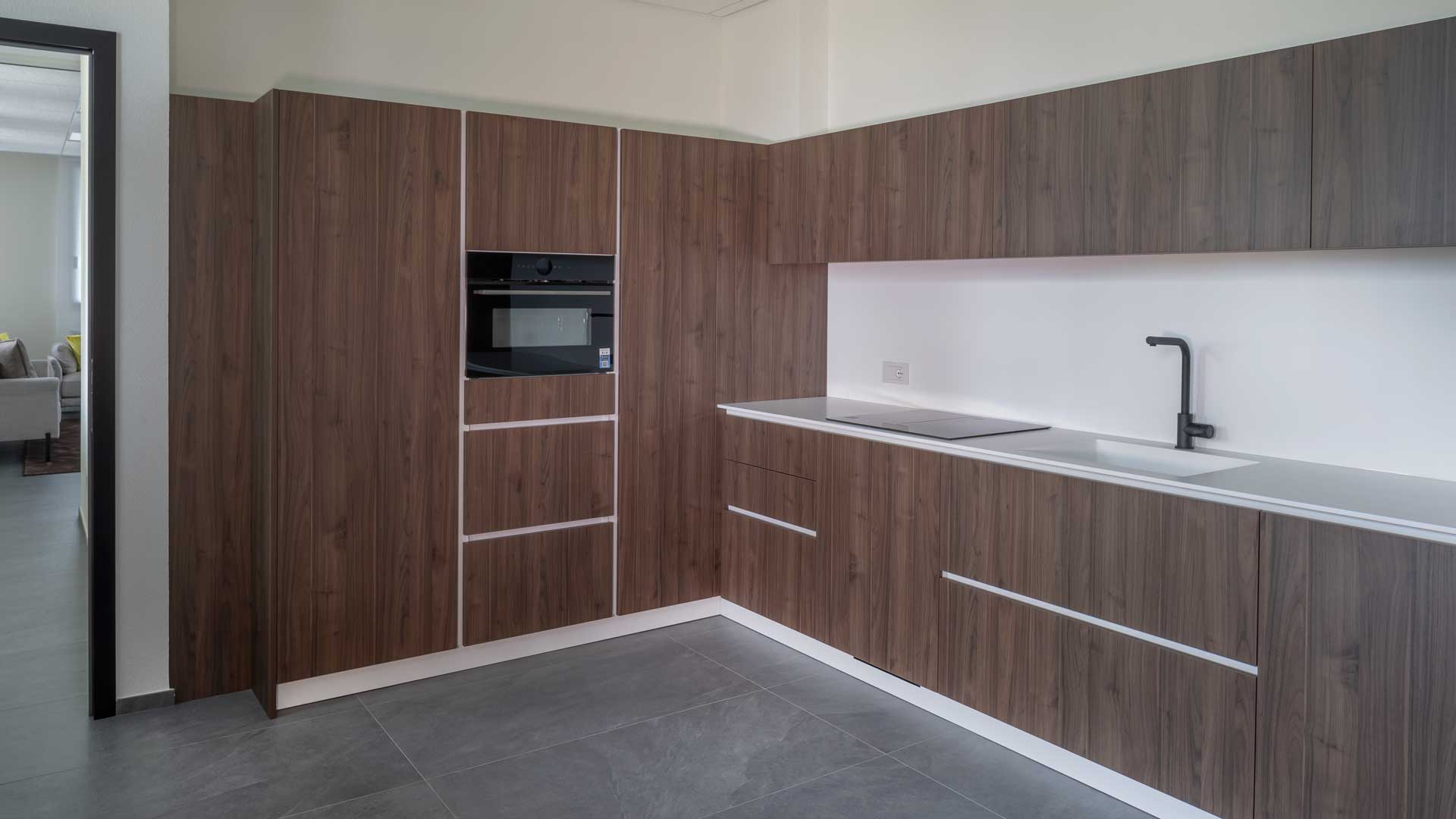
In 2026, the office kitchen becomes an essential element of the project. The break area evolves into a central, shared and carefully designed space where informal encounters, restorative pauses and moments of social interaction converge. Whether in large, structured companies or smaller organizations, the request is the same: bespoke kitchens, customized in their finishes and fully integrated into the overall spatial language. Standard solutions are gradually abandoned in favor of tailored projects that emphasize materials, colors and details, turning the kitchen into a recognizable, identity-driven place. It is here that the office reveals its most human side, transforming an everyday gesture into an opportunity for belonging and shared experience.
Overall, office design in 2026 moves toward a more mature vision—one defined by balance and depth. Flexibility, residential comfort and circular thinking come together in a single, cohesive narrative that places people, time and the quality of space firmly at its center.