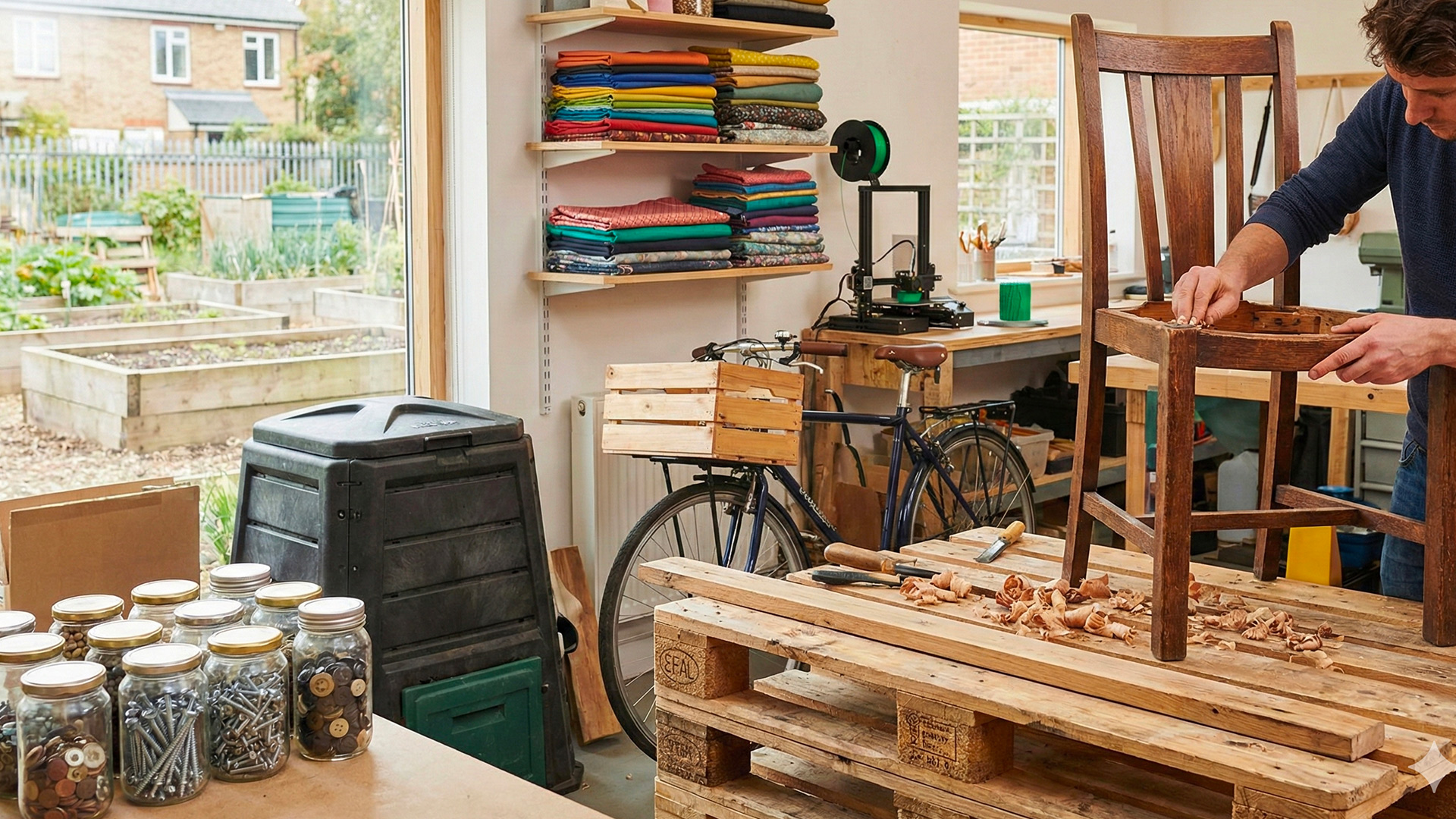
The word circular has long entered the vocabulary of design, yet it often remains confined to statements of intent. In reality, the pursuit of longevity has consistently run through the history of architecture and design. Today, it resurfaces with urgency in response to an environmental crisis that calls for fewer wasteful practices, fewer premature demolitions, and fewer products conceived to last only a handful of seasons. Returning to long-term thinking means approaching design as an open system—one that can adapt, be repaired, reused and reinterpreted over time.
Franco Albini and Coherence as a Form of Resistance
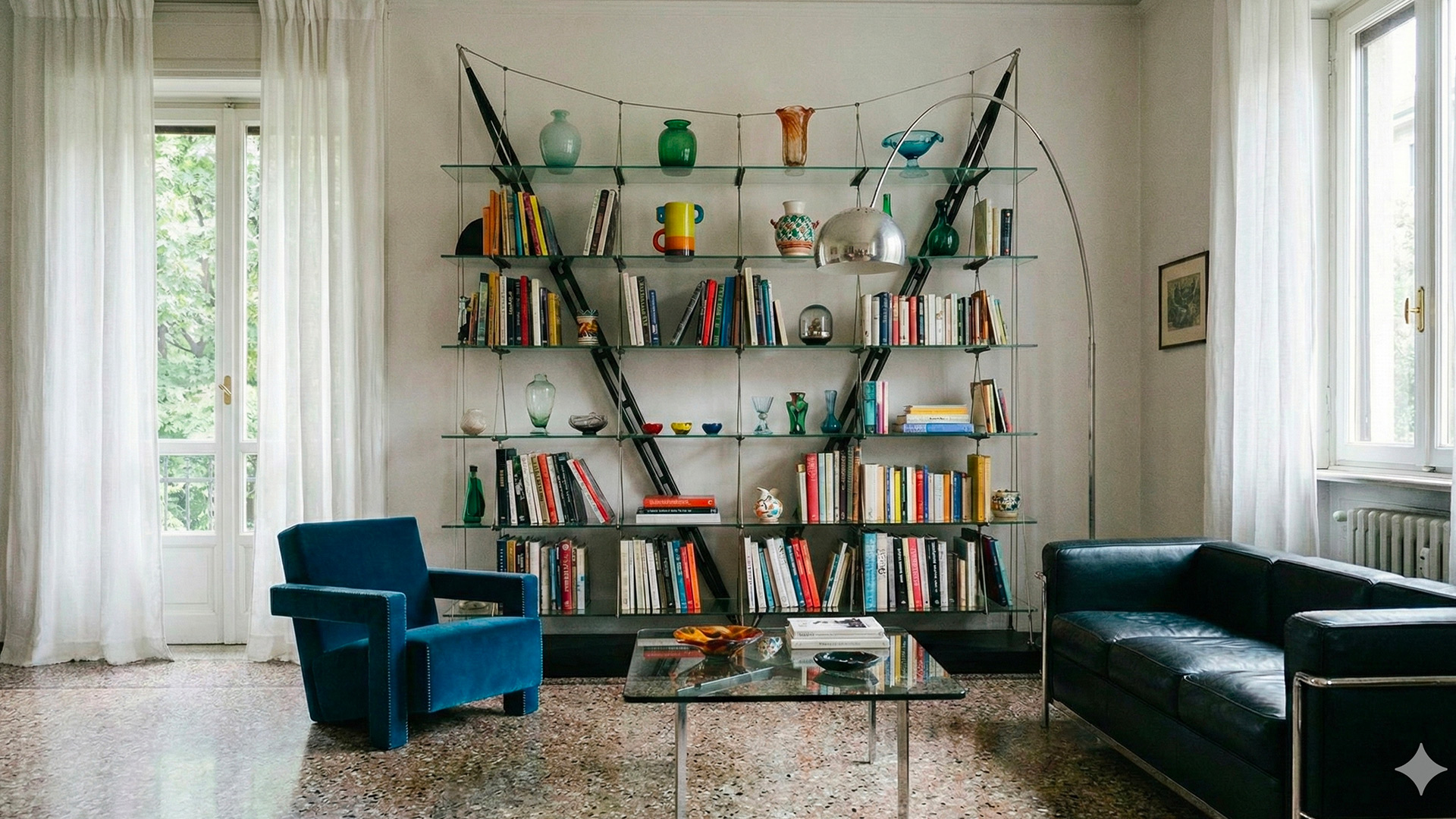
Franco Albini is a fundamental starting point for this reflection. In his interiors and furniture, permanence is anything but a secondary concern; it emerges instead as a direct consequence of structural rigor. The Libreria Veliero, designed in the 1940s for the Casa dei Ferrovieri in Milan and later reissued by Cassina, is emblematic: a tensile structure composed of slender uprights, cables and glass shelves, held in place by a carefully calibrated balance. It is a piece that openly declares its constructive logic—and precisely for that reason, it endures. Its longevity stems from the coherence between function, structure and space.
The same principle applies to Albini’s architecture. In museums, exhibition designs and bank interiors, he conceived systems intended to be updated, relocated and adapted to new requirements. The reversibility of elements, their lightness and their ability to avoid permanent obstruction anticipate issues that now sit at the heart of discussions around circularity. What is fixed irreversibly is reduced to a minimum; projects are developed through components, and maintenance is treated as an integral part of the design process.
From Preservation to Transformation of the Existing
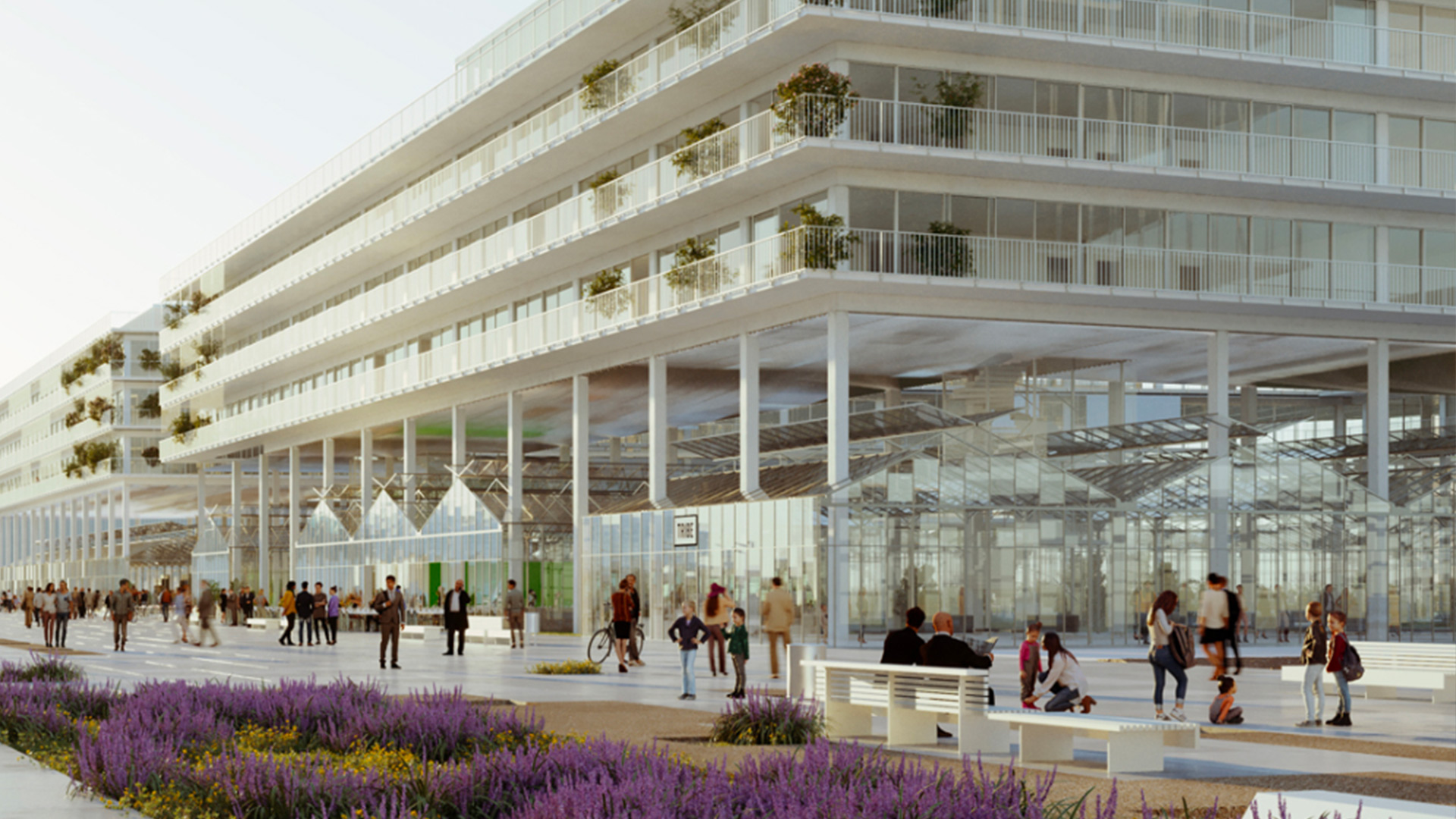
Moving into the present represents an extension of this mindset. Contemporary circularity concerns the entire life cycle of a project. Practices such as those of Lacaton & Vassal are built on the conviction that existing buildings are resources to be transformed rather than obstacles to be removed. Their interventions in large-scale French social housing—adding winter gardens and new envelopes—demonstrate how expansion and refurbishment can replace demolition, improving comfort while extending the life of buildings.
Circular Architecture and Design: Products and Disassembly Logic
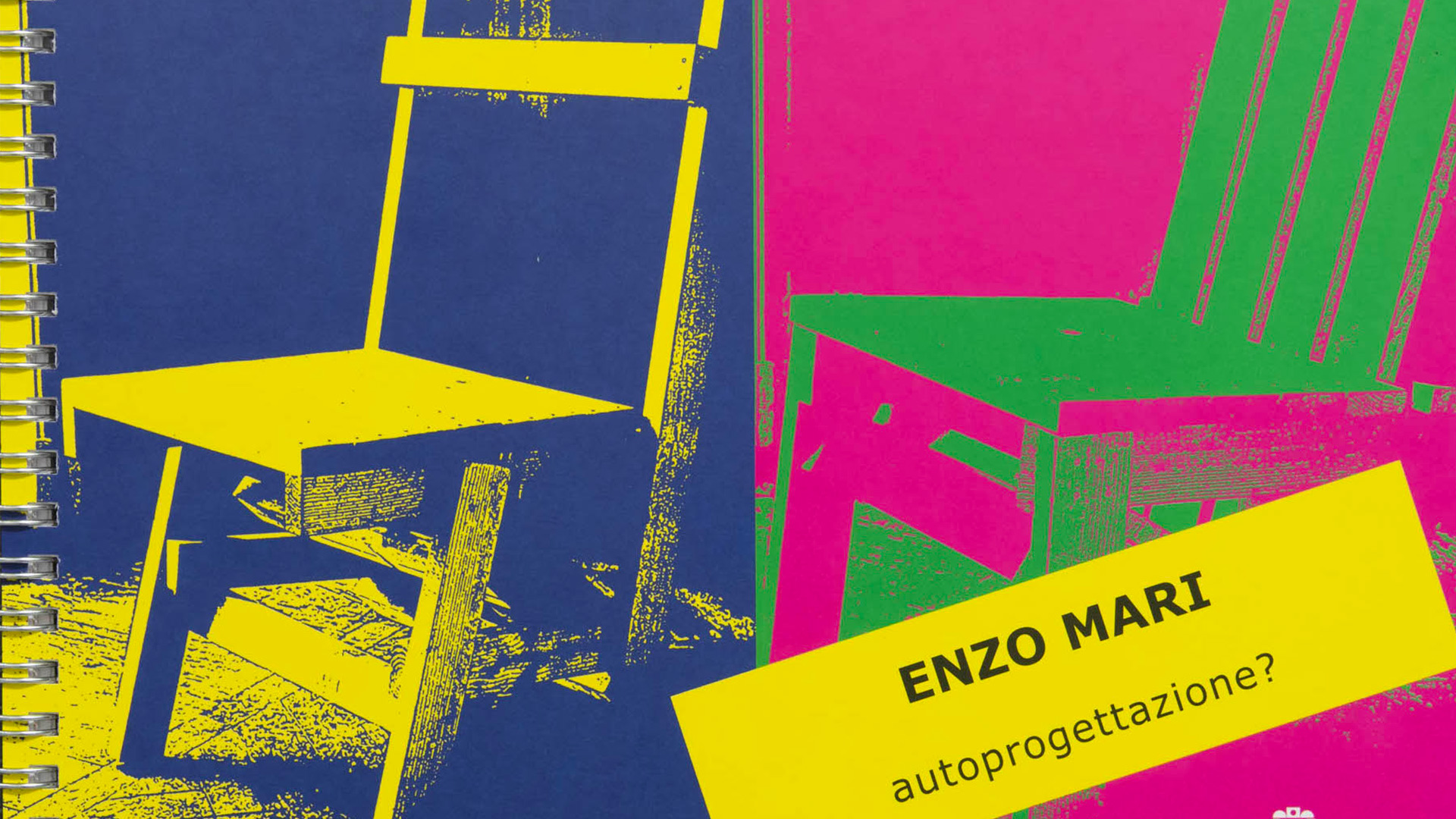
In product design, this approach translates into modular systems, demountable furniture and components conceived to be replaced individually. Enzo Mari had already outlined a possible path with his Autoprogettazione projects: objects made from standard elements, easy to repair and rebuild. Today, several brands revisit that lesson, offering collections in which parts are numbered, documented and made available over time. In this way, the failure of a single element does not mark the end of a product but opens the possibility for intervention without generating waste.
Traceable Materials and Extended Life Cycles
Anche i materiali assumono un ruolo diverso. Legni certificati e riutilizzati, metalli riciclati, biocompositi a base vegetale entrano nei capitolati come componenti di un sistema misurabile. La circolarità, in questo senso, si lega al monitoraggio: passaporti dei materiali, tracciabilità e simulazioni del ciclo di vita consentono di prevedere come l’edificio potrà essere smontato, riconvertito e trasformato fra trent’anni o più. L’idea di fine vita lascia spazio così a una sequenza di passaggi, in cui la materia continua a circolare.
Circular Architecture and Design: Workspaces as Adaptable Infrastructure
In more recent projects, longevity extends to interiors and large-scale furnishings. Offices, workplaces and public environments are conceived as adaptable infrastructures. Movable walls, reusable glazed partitions, and ceilings and raised floors designed to be opened and closed repeatedly reduce the impact of functional change. Rather than being locked into a single definitive configuration, spaces are designed from the outset to migrate across different uses, companies and ways of working.
There is also a subtler dimension, related to language. Objects and buildings endure when they manage to step outside fleeting trends, establishing a longer relationship with those who inhabit them. Here, Albini’s lesson remains relevant: proportions and details that avoid overt protagonism, environments capable of accommodating new furnishings, new bodies and emerging technologies without losing coherence. Circularity passes through this restraint as well—the ability to avoid saturating the scene with forms destined to date quickly.
Designing the Future Without Destruction
Perhaps the most compelling aspect of this moment is that longevity is increasingly perceived as a field for experimentation. Designing for reuse means imagining future scenarios and considering buildings and objects as material awaiting new configurations. In universities, research centers and architecture studios, work is underway on reversible joints, fastening systems and component catalogues designed to be dismantled without damage—enabling transformation without destruction.
A Critical Stance for Contemporary Design
Circular architecture and design ultimately amount to a critical stance. They demand time, dialogue with those who will manage and inhabit spaces, and close attention to production chains and the consequences of every choice. In a market still dominated by the logic of the new at all costs, insisting on durability restores weight to design and reconnects it to its original purpose. Within this horizon, the lessons of Franco Albini and many contemporary practices converge on a shared understanding: what is designed to last does not stop changing—it simply does so without waste.