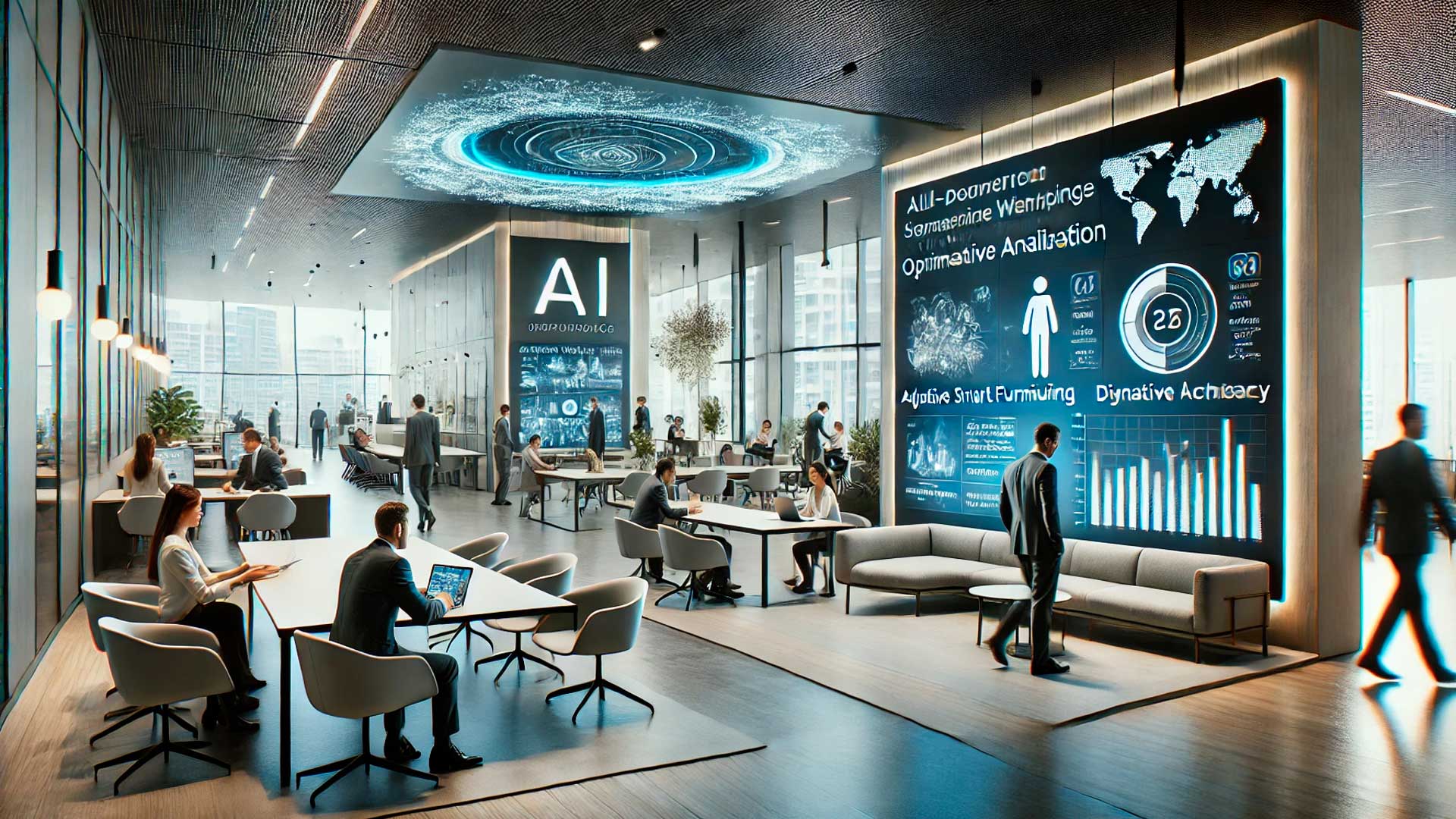
Artificial Intelligence (AI) is revolutionizing countless industries, and workplace design is no exception. As a powerful tool for streamlining routine tasks, AI has already become an essential ally for designers, helping to optimize spatial analysis and assess the effectiveness of design solutions in real-time. The integration of Generative Design into office planning unlocks unprecedented opportunities to create more efficient, personalized, and responsive work environments that align with contemporary needs.
AI for Advanced Spatial Data Analysis
One of the key advantages of AI in generative office design is its ability to analyze vast amounts of data related to employee behavior and preferences. By tracking movement patterns, productivity, and social dynamics, Generative Design can generate comprehensive reports and insights on how spatial layout impacts employee well-being. When this data is interpreted by experienced workplace designers, it enables the creation of flexible and healthy environments. For instance, AI can assess how space configuration, lighting, and temperature affect individual performance, providing recommendations for optimal reconfigurations.
Generative Design: Simulations and Predictive Modeling
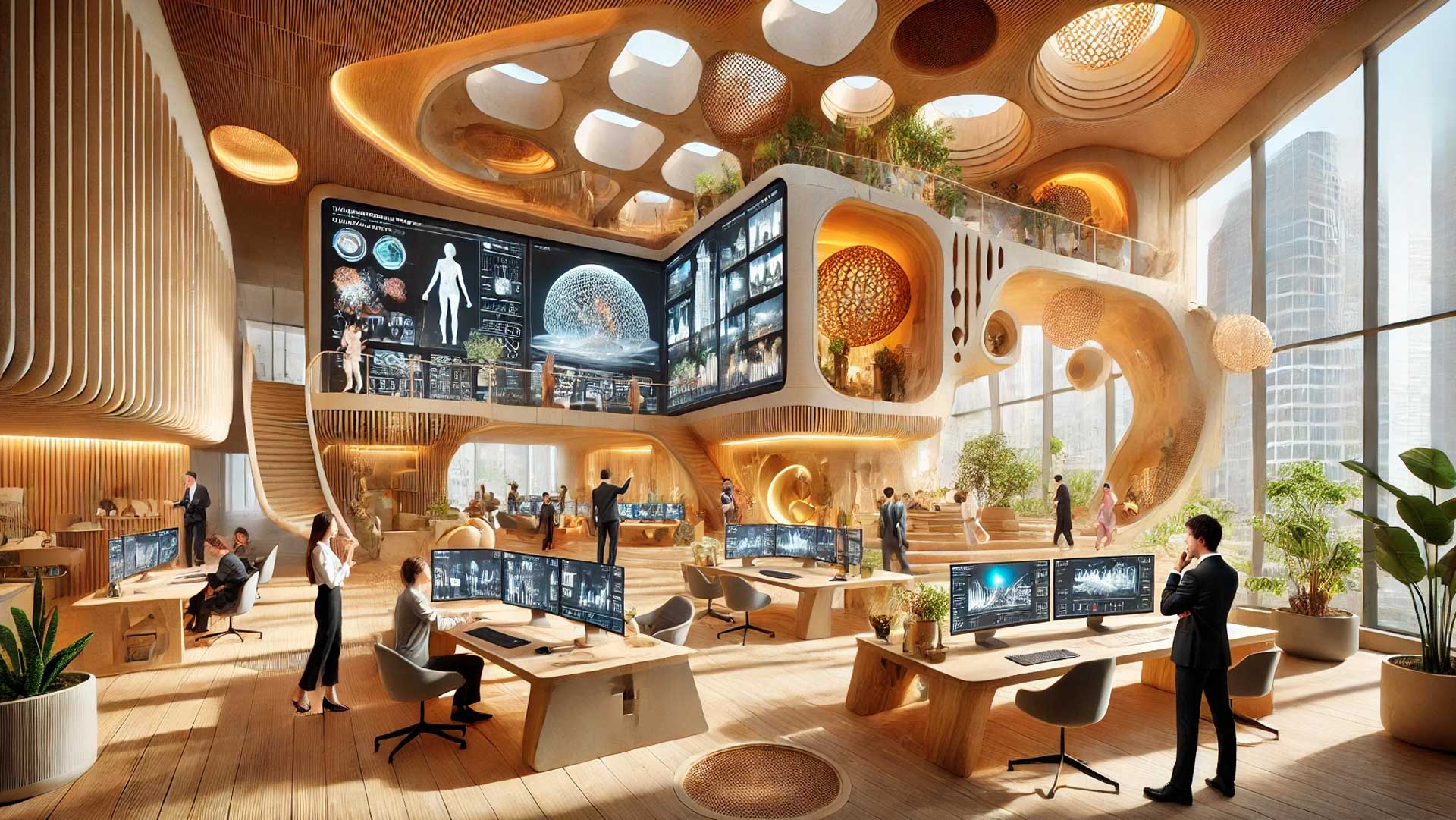
AI-driven algorithms facilitate the creation of detailed simulations for various office layouts and spatial configurations. Traditionally, this process requires days of focused effort, particularly in the early planning stages. With AI, designers can rapidly explore multiple design alternatives and predict how specific choices will impact collaboration, productivity, and employee satisfaction. This significantly reduces the risk of investing in ineffective design solutions, allowing for more informed decision-making.
Real-Time Monitoring and Adaptive Spaces
AI can be seamlessly integrated into office environments through interconnected sensors and IoT (Internet of Things) devices to monitor space utilization in real-time. These smart systems collect data on occupancy rates, movement flows, and environmental conditions such as temperature, air quality, and lighting, enabling dynamic space adaptation. For example, AI can identify overcrowded or underutilized areas and suggest layout adjustments to enhance efficiency and comfort.
AI as a Design Assistant, Not a Replacement
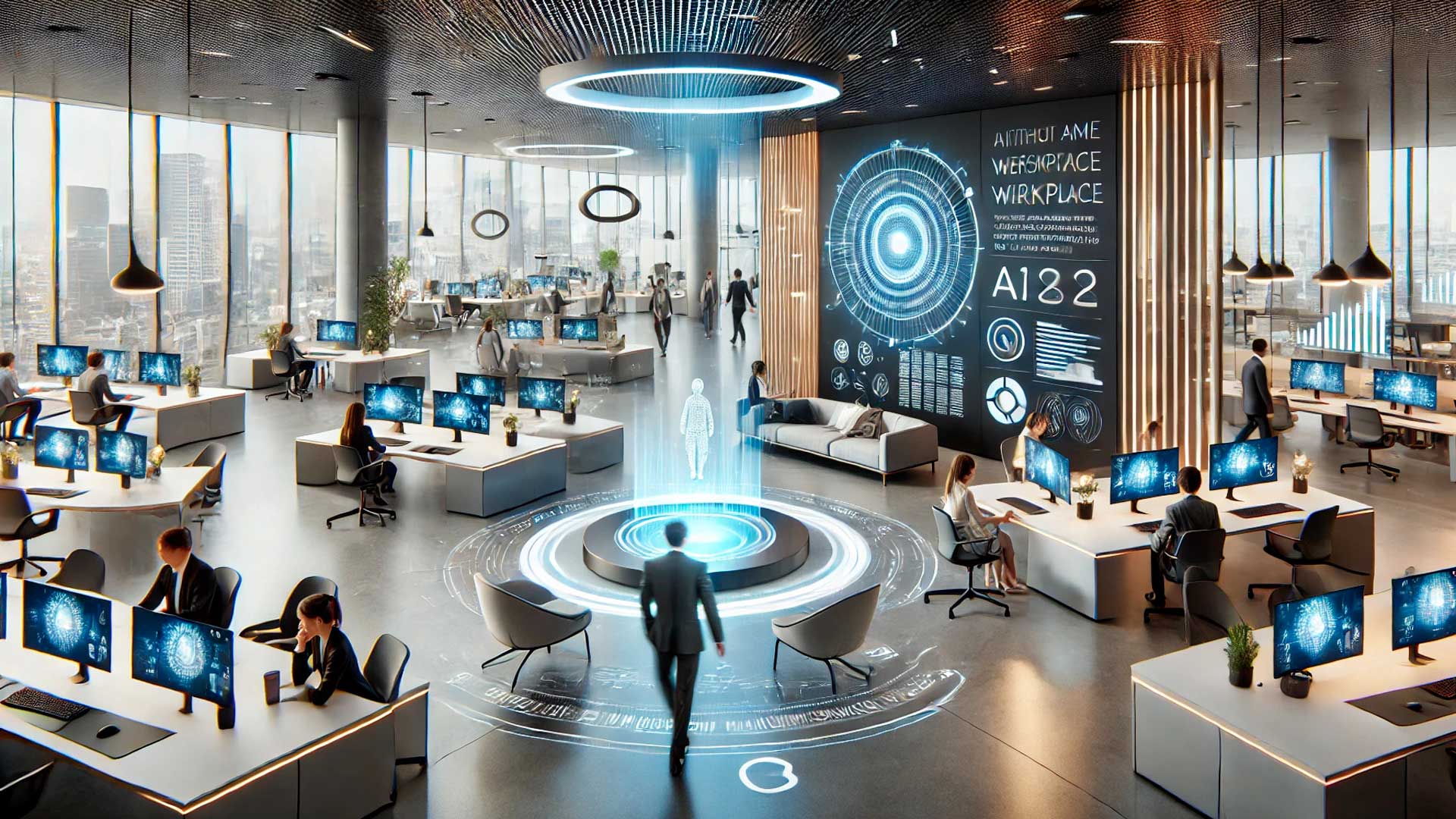
While AI and Generative Design provide powerful tools that accelerate many aspects of the design process, the role of the designer remains irreplaceable. Technology delivers valuable data and predictive analysis, but it is the designer’s expertise and intuition that translate this information into solutions reflecting company culture and employee needs. Additionally, aesthetic sensibility is crucial for selecting materials, curating distinctive design elements, and fine-tuning details that elevate the overall experience of a space. The synergy between artificial and human intelligence ensures optimal results in both functionality and visual appeal.
Toward More Flexible and Adaptive Workspaces
Generative Design in office planning promotes the creation of dynamic spaces that evolve alongside shifting workplace demands. Intelligent environments can adjust layouts to support both focused and collaborative work, enhancing overall flexibility. Additionally, AI can contribute to greater energy efficiency by automatically regulating lighting and climate control based on occupancy patterns and user preferences.
AI is reshaping the way workspaces are designed, offering sophisticated tools to create environments that are not only more functional but also highly personalized and responsive. The convergence of technology and human creativity is paving the way for the offices of the future—spaces that can dynamically adapt to the ever-evolving challenges and opportunities of the modern professional landscape.