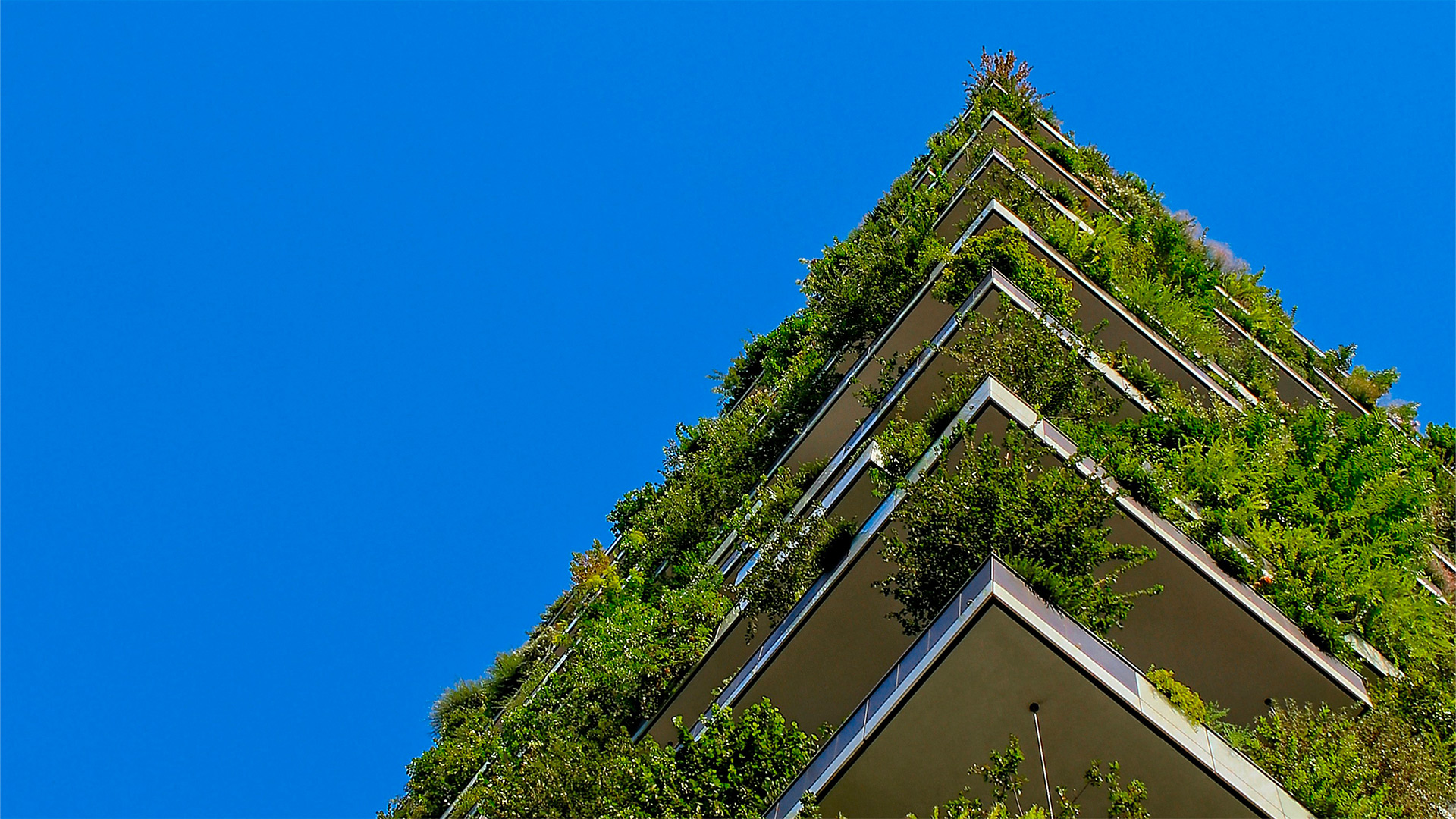
From cultivated materials to bioactive façades, architecture is renegotiating its pact with climate, time and biodiversity.
Beyond Decorative Greenery
In recent years, “living architecture” has become a catchall phrase, often reduced to images of leafy façades and rooftop gardens. The term suggests something more ambitious. It describes a design approach that weaves biological systems and natural processes into the structure and performance of buildings themselves, treating architecture less as inert object and more as an evolving participant in its environment.
The urgency is clear. Urban heat islands intensify, biodiversity declines and the energy footprint of cities expands. In response, architects and engineers are beginning to frame buildings as ecological infrastructure — systems capable of moderating temperature, filtering air, generating energy and hosting life. The shift is not cosmetic. It revises long-held assumptions about permanence, control and authorship.
Greenery as Structure
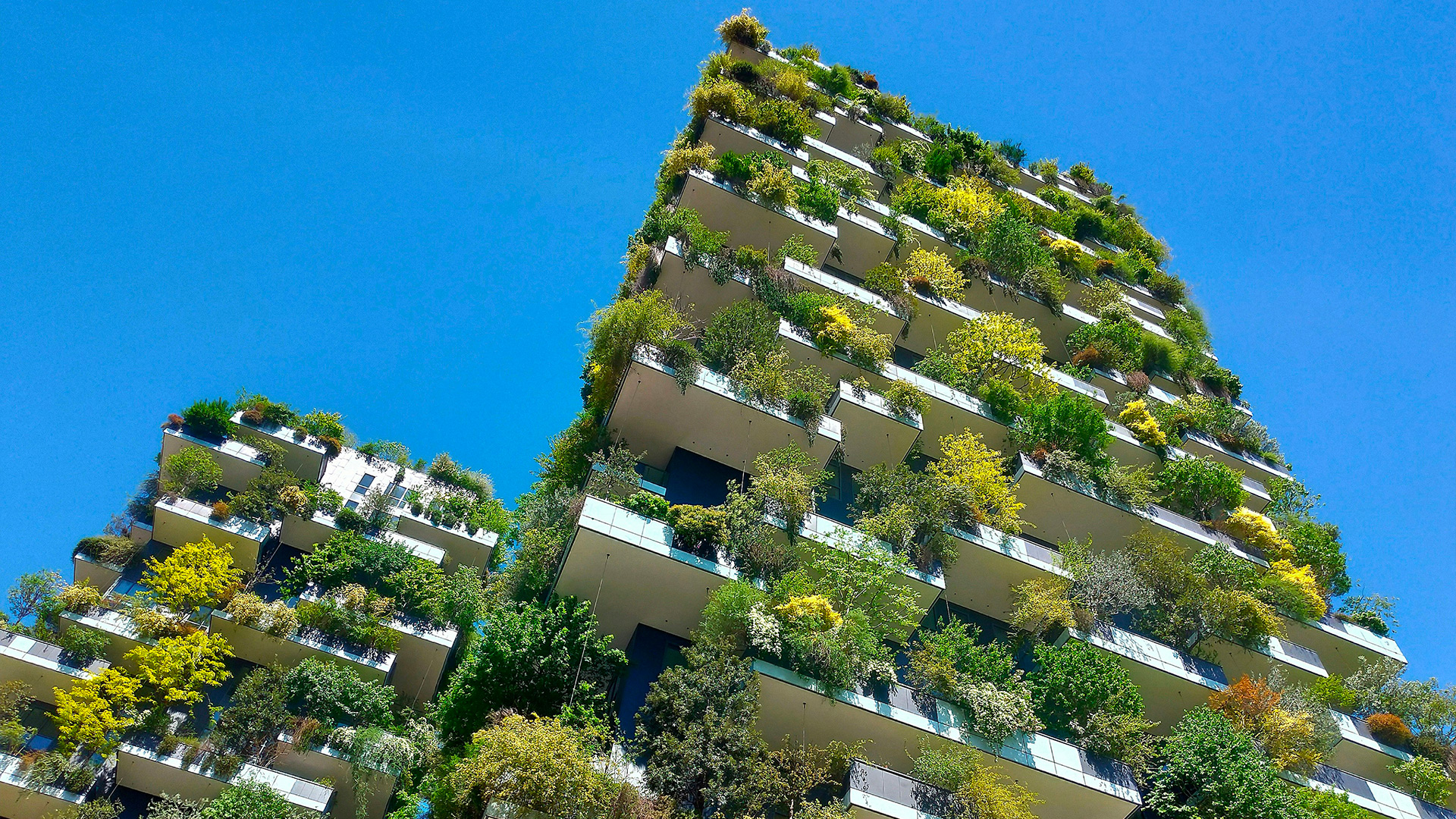
When Bosco Verticale opened in Milan in 2014, it reframed the conversation around vertical density. Designed by Stefano Boeri Architetti, the twin towers incorporate roughly 800 trees and more than 15,000 shrubs and perennials. The vegetation is not decorative cladding. Species were selected according to wind exposure, solar orientation and maintenance cycles, making the planting strategy inseparable from the building’s environmental performance. The trees provide shading, absorb particulate matter and help recalibrate the local microclimate.
A more recent iteration appears in Wonderwoods in Utrecht, completed in 2025. There, over 50,000 plants are distributed across two mixed-use towers. The ambition extends beyond spectacle. The project aims to stitch biodiversity back into a dense urban fabric, linking private terraces and public space into a continuous ecological gradient. Greenery, in these examples, alters management protocols, maintenance regimes and the visual identity of the skyline itself.
Metabolic Skins
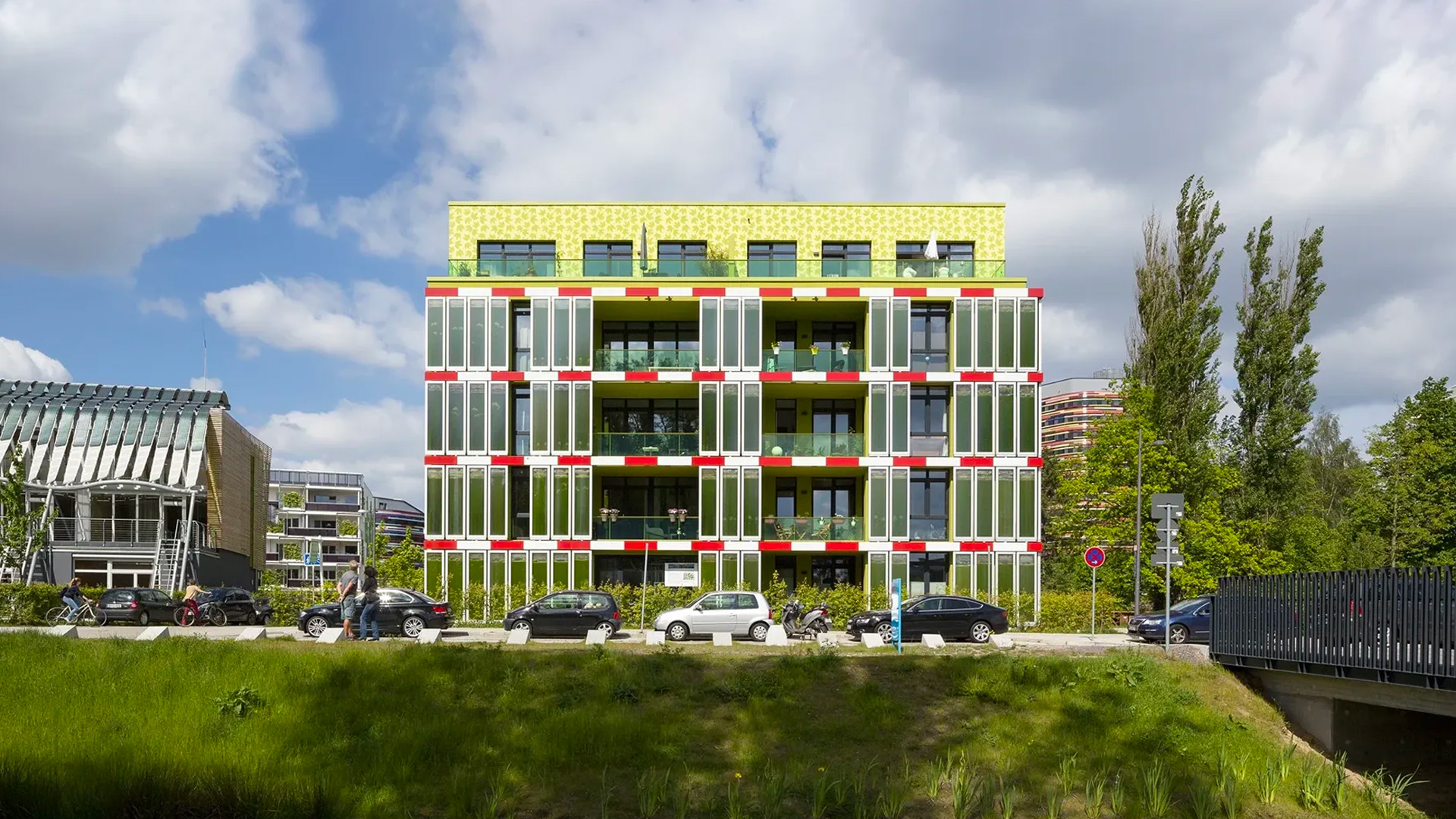
If planted towers represent one trajectory, bioactive façades suggest another. The BIQ House in Hamburg, developed with the SolarLeaf system by the engineering consultancy Arup, embeds photobioreactors filled with microalgae into its exterior panels. Through photosynthesis, the algae produce biomass and assist with thermal regulation.
The implication is provocative: the building envelope operates as a metabolic membrane, converting sunlight into usable energy. These systems remain technically demanding and far from mainstream. Yet they mark a conceptual break. The façade shifts from passive barrier to active producer, introducing biological cycles into the energy equation.
Living Architecture and Growing Materials
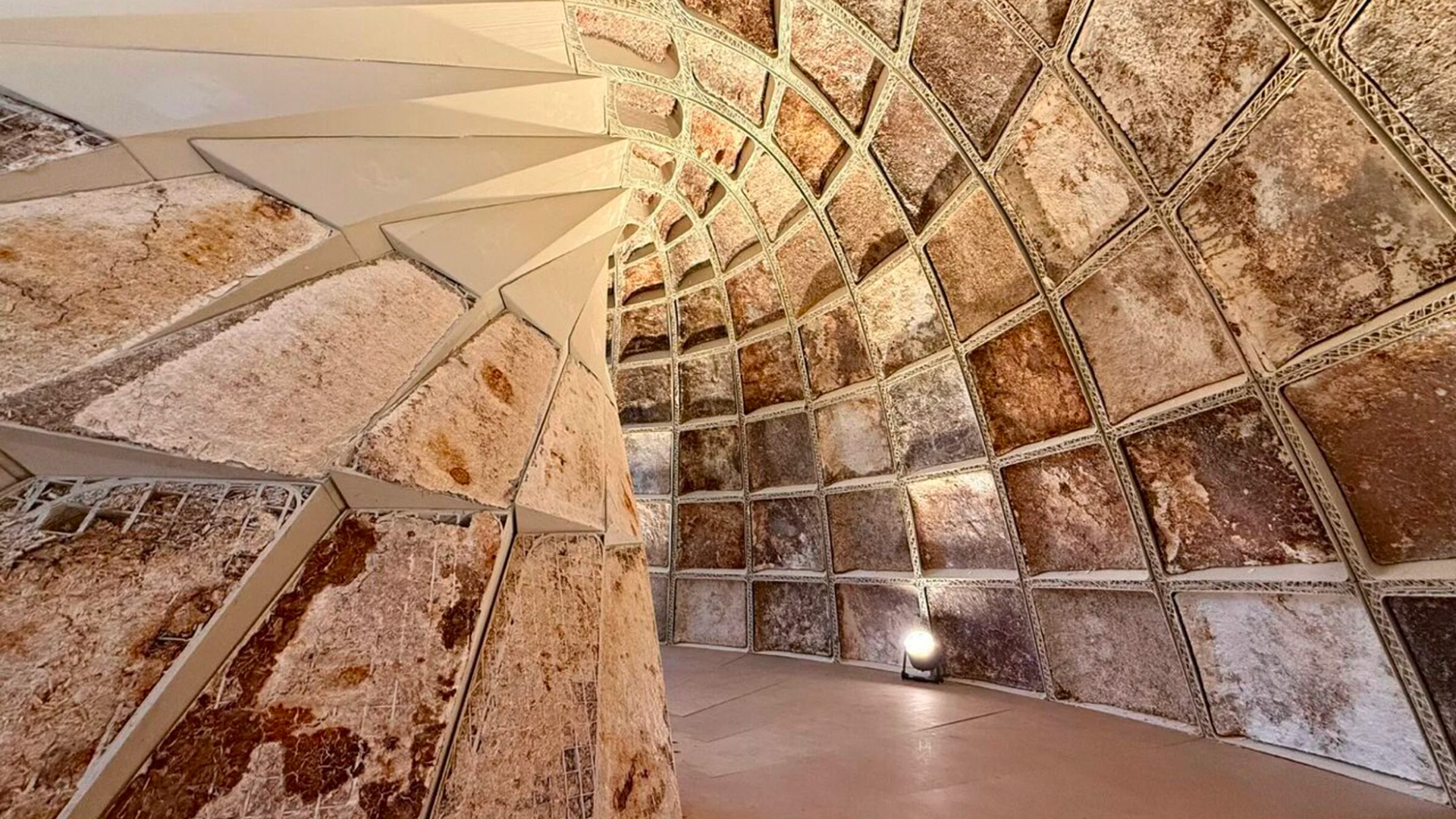
Living architecture also unsettles the idea of what construction materials are. Mycelium — the filament network of fungi — has emerged as a candidate for biodegradable composites. Cultivated on agricultural waste, it can be molded into lightweight panels and insulation components.
Design studios including BIG and Henning Larsen have tested mycelium-based installations in experimental pavilions and research projects. The departure from conventional fabrication is substantial. Components are grown rather than manufactured. Questions of origin, life cycle and decomposition enter the design process at inception. Architecture begins to acknowledge its own temporality, allowing matter to evolve and return to ecological loops.
Surfaces That Host Life
Research into bioreceptive concrete pushes the conversation further. These materials are engineered to encourage the growth of mosses and microorganisms while preserving structural integrity. The ambition is understated yet radical: transform inert surfaces into habitats that support biodiversity and moderate temperature. Such strategies ask clients and designers to accept change as intrinsic. Weathering, organic growth and color variation become part of the architectural narrative.
Living architecture: The Burden of Care
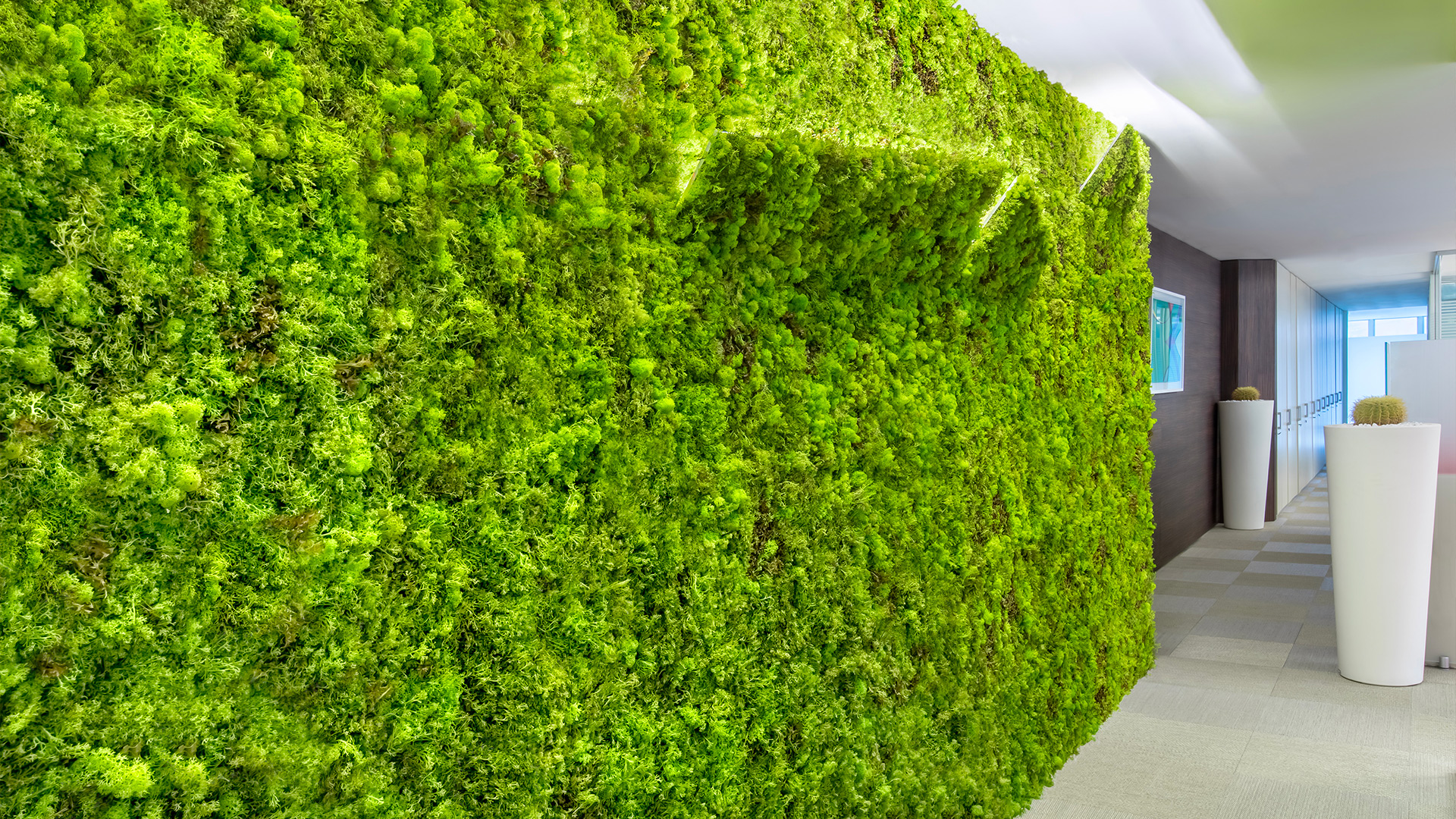
None of this unfolds without complexity. Integrating vegetation and biological systems requires collaboration among architects, botanists, environmental engineers and maintenance specialists. Long-term stewardship becomes embedded in the project brief. Costs increase, and so do responsibilities. In overheated, polluted cities, however, the return can be measured in cooler streets, cleaner air and improved public health.
An Aesthetic of Evolution
Culturally, living architecture proposes an aesthetic grounded in transformation. Buildings respond to seasons and climate, registering time rather than resisting it. In parallel, notions of contemporary luxury are shifting toward environments that foreground air quality, natural ventilation and bio-based materials. Hotels, housing and civic spaces increasingly position ecological integration as both performance strategy and experiential value.
Why Living Architecture Matters
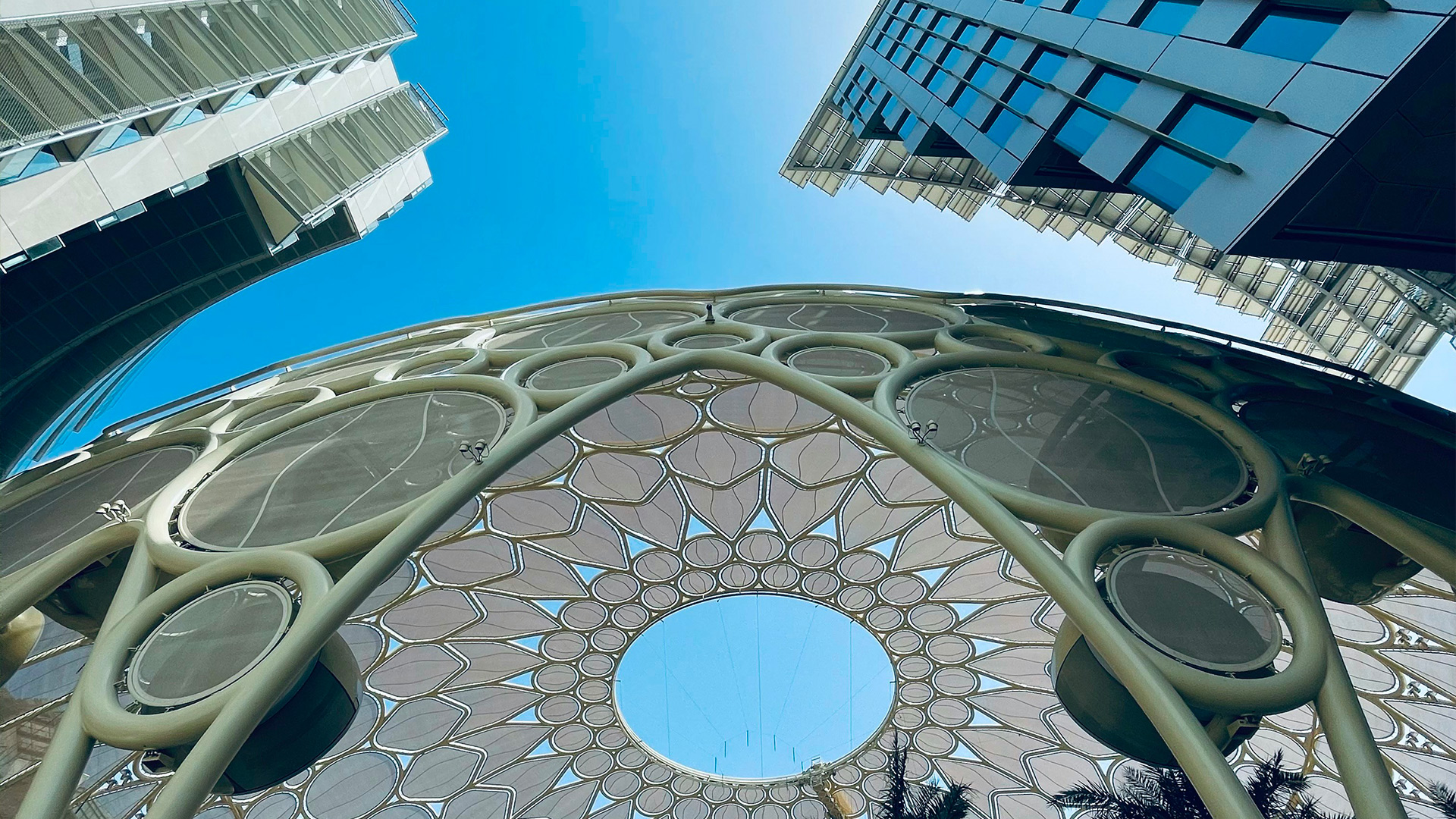
Living architecture is less a stylistic trend than a recalibration of design’s scope. In an era defined by climate instability and urban densification, architecture operates within overlapping networks of energy, water and biodiversity. The building becomes a node in a larger environmental system.
The future of design may depend on this willingness to relinquish the idea of the finished object. Living architecture proposes a framework in which construction incorporates growth, decay and adaptation. It suggests that buildings, like the cities they inhabit, are never truly complete — only in continuous negotiation with the life around them.