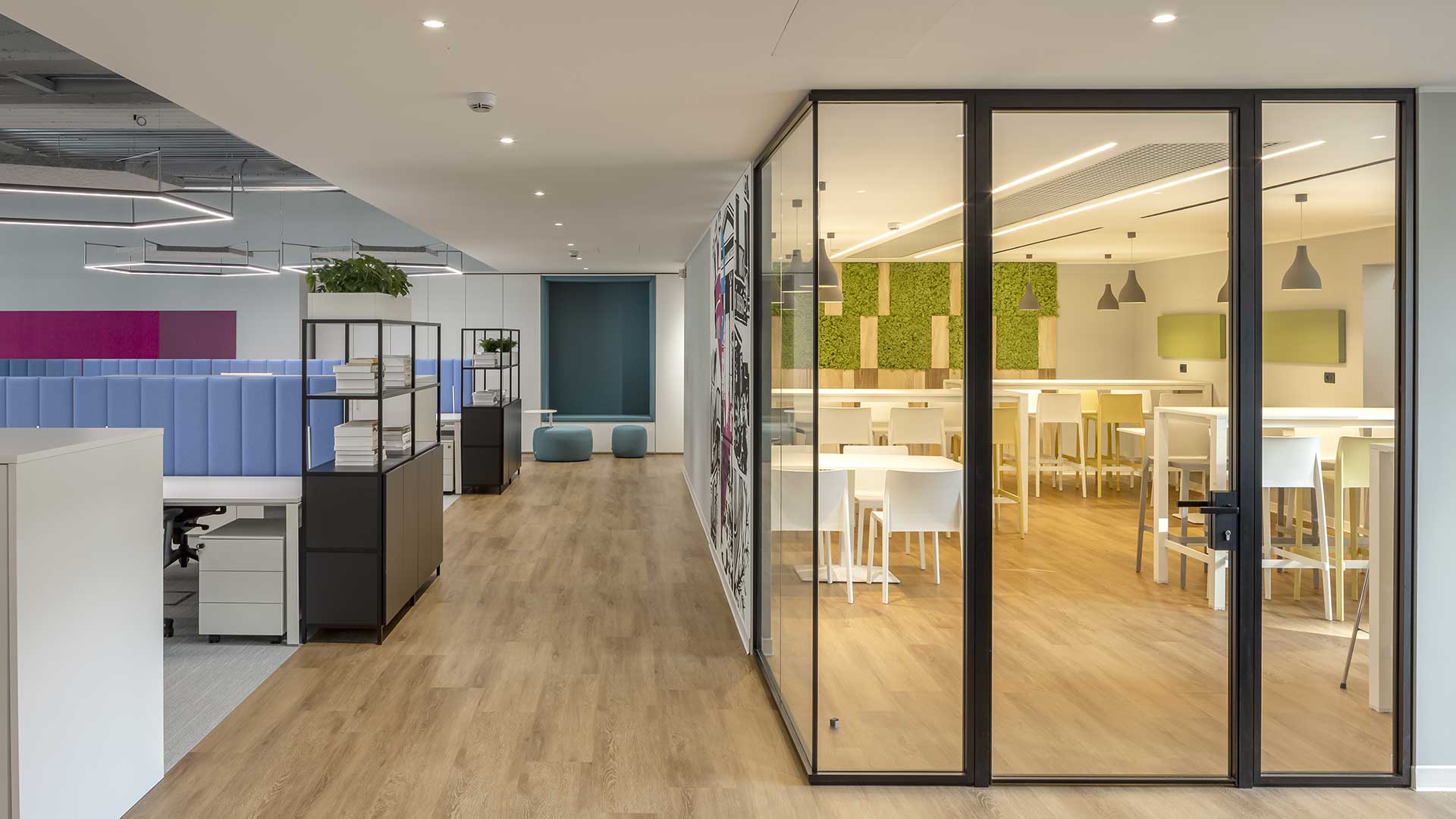
No longer a static backdrop, the office has become a fluid and responsive environment—an evolving laboratory for reimagining the way we work. Between hospitality and functionality, here’s how to furnish a hybrid workspace that fosters comfort, freedom, and a genuine sense of belonging.
Design as a Response to a Changing Work Culture
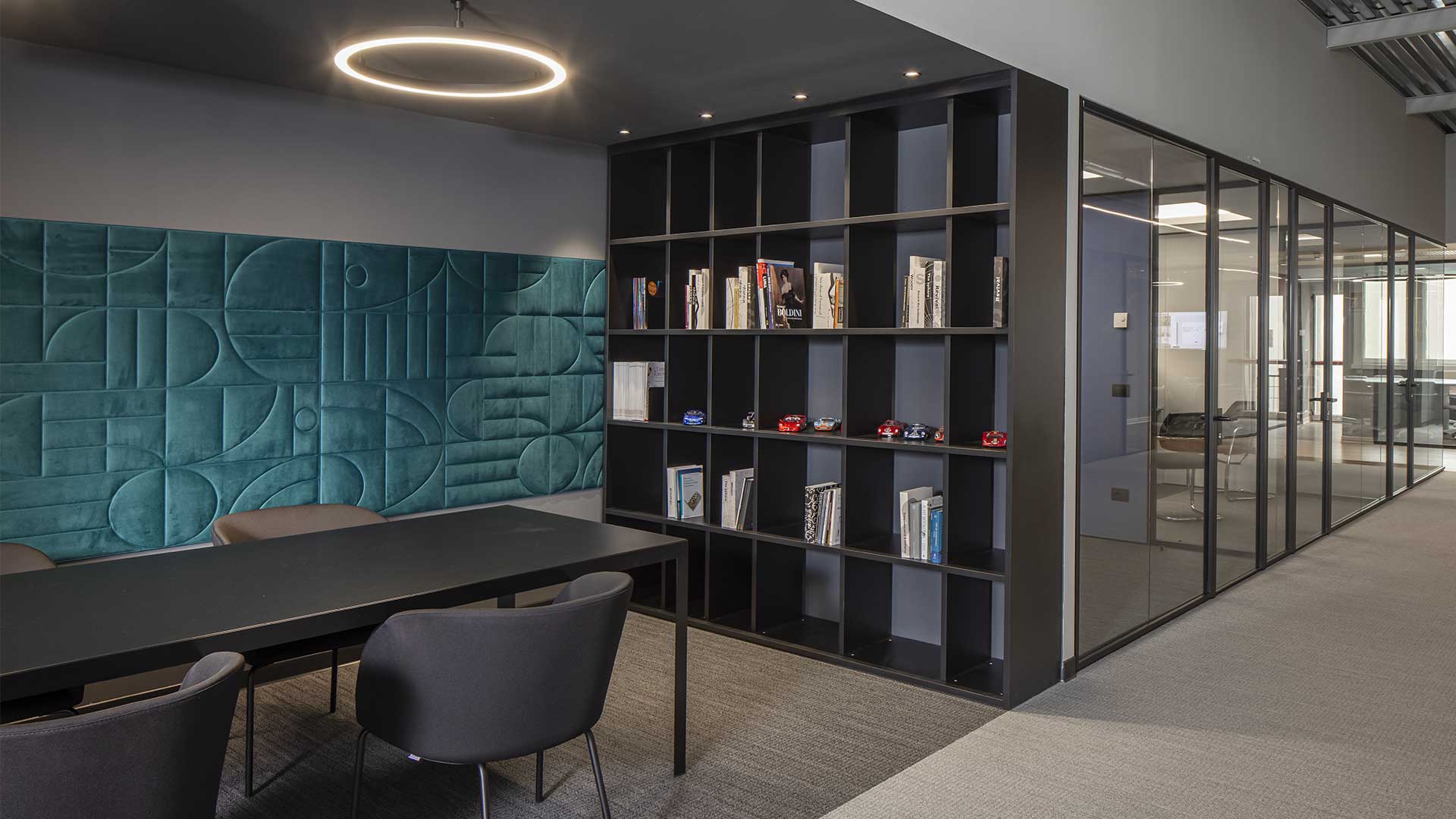
The office of the past is gone (and many would say, good riddance). After the seismic shift of recent years, today’s workplace has taken on new meaning, becoming a strategic tool for companies to rethink culture, identity, and connection. Over half the global workforce now prefers hybrid models for reasons tied to flexibility, productivity, and personal safety. But if the office no longer dictates where and how we work, what makes it worth returning to?
The answer lies in design. A hybrid workspace must balance presence and privacy, digital and physical engagement, movement and comfort. When well-designed, it not only supports collaboration between on-site and remote colleagues, but also promotes wellbeing, creativity and loyalty. Here are the key trends defining how to furnish a hybrid workspace today.
How to Furnish the Hybrid Office: Flexibility as Freedom
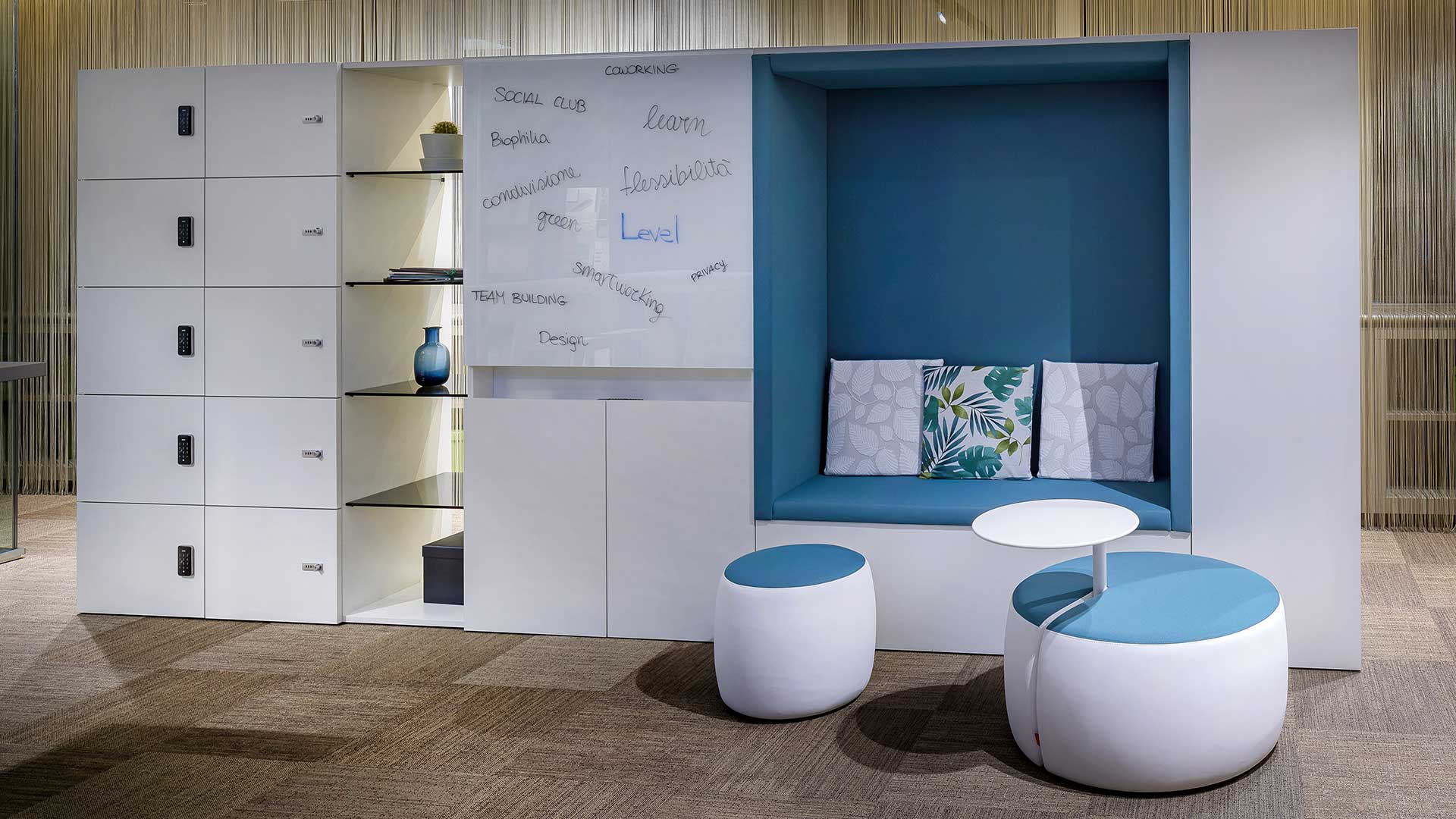
The first rule of a hybrid office? No fixed rules. Modular, lightweight, reconfigurable systems are the beating heart of spaces that shift and evolve with their users. Tables, partitions and seating can be arranged freely to shape private, semi-public or open settings that respond to different rhythms of work. The freedom to choose how and where to work empowers individuals, nurturing both autonomy and motivation. Each movement—sliding a screen, pivoting a unit, redrawing a boundary—becomes a small gesture of self-expression.
Inviting Nooks for Spontaneous Encounters
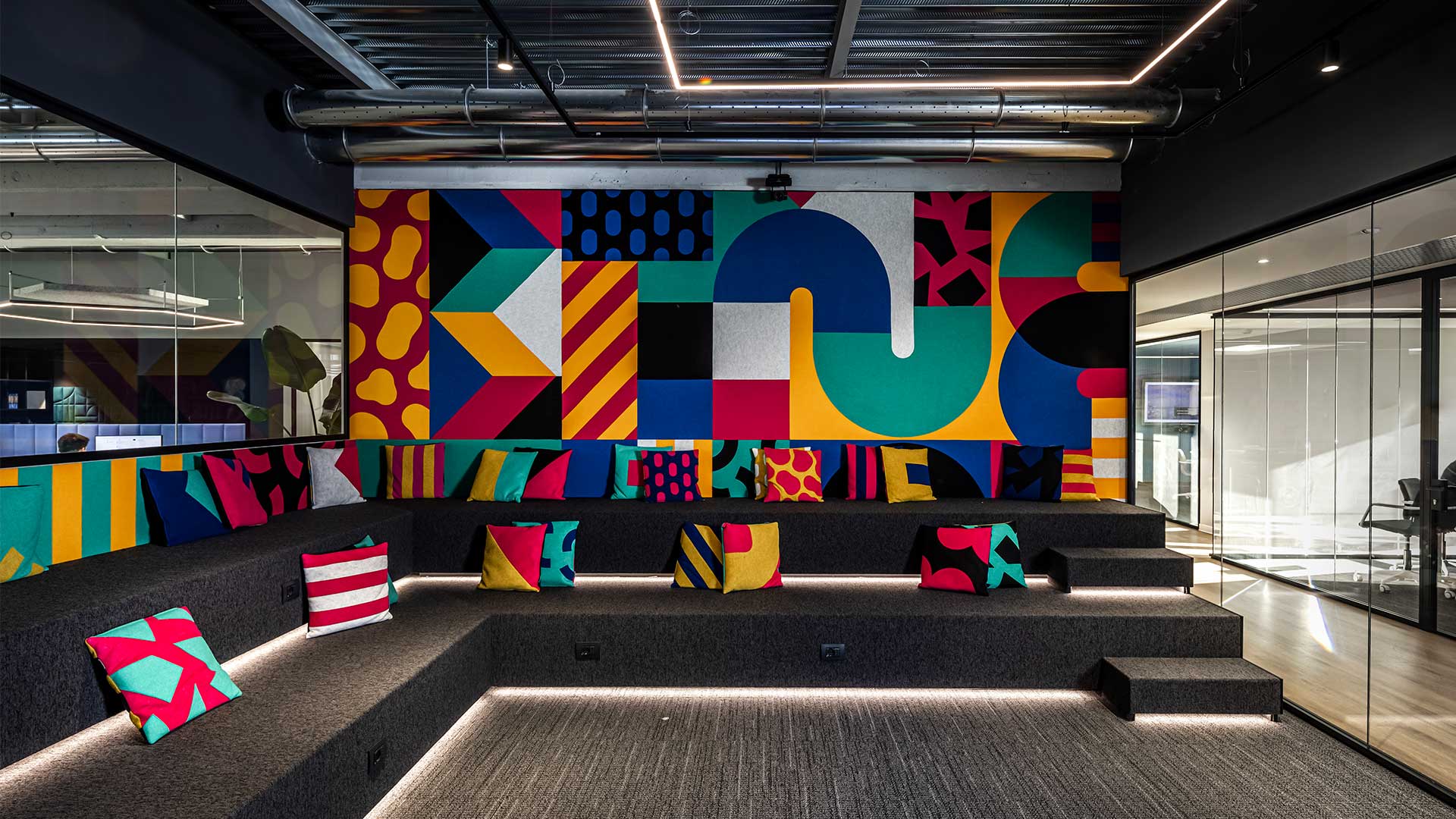
Not all collaboration happens around a boardroom table. Ideas often emerge in informal moments—on a low-slung sofa or a quiet modular bench tucked into a corner. Casual furnishing fosters authenticity, carving out pockets of social interaction within the flow of a working day. The key is adaptability: spaces that invite both relaxed pause and impromptu dialogue. In this new cartography of work, the office is no longer a grid—it’s a living, breathable landscape.
Supporting Focused Work
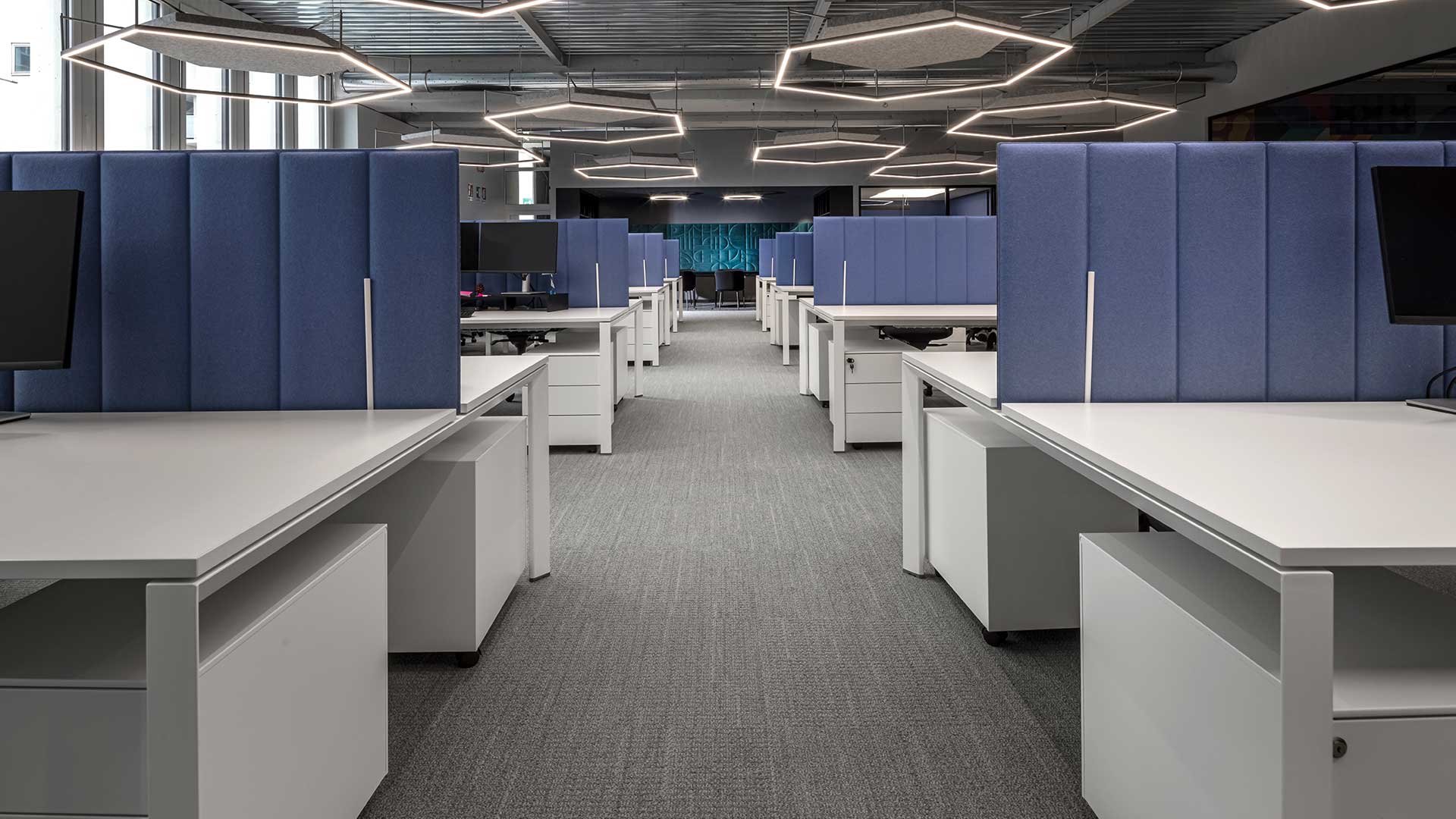
Even in an increasingly collaborative world, privacy and quiet remain essential. Acoustic pods, soft dividers, tall-backed chairs and compact desks offer employees a retreat for focused tasks. These elements shape visual calm through layered textiles, muted palettes and gentle contours. In a well-designed office, focus it’s a right—respected, protected and seamlessly woven into the fabric of the space.
Furnishing the Hybrid Office: Ergonomics with Character
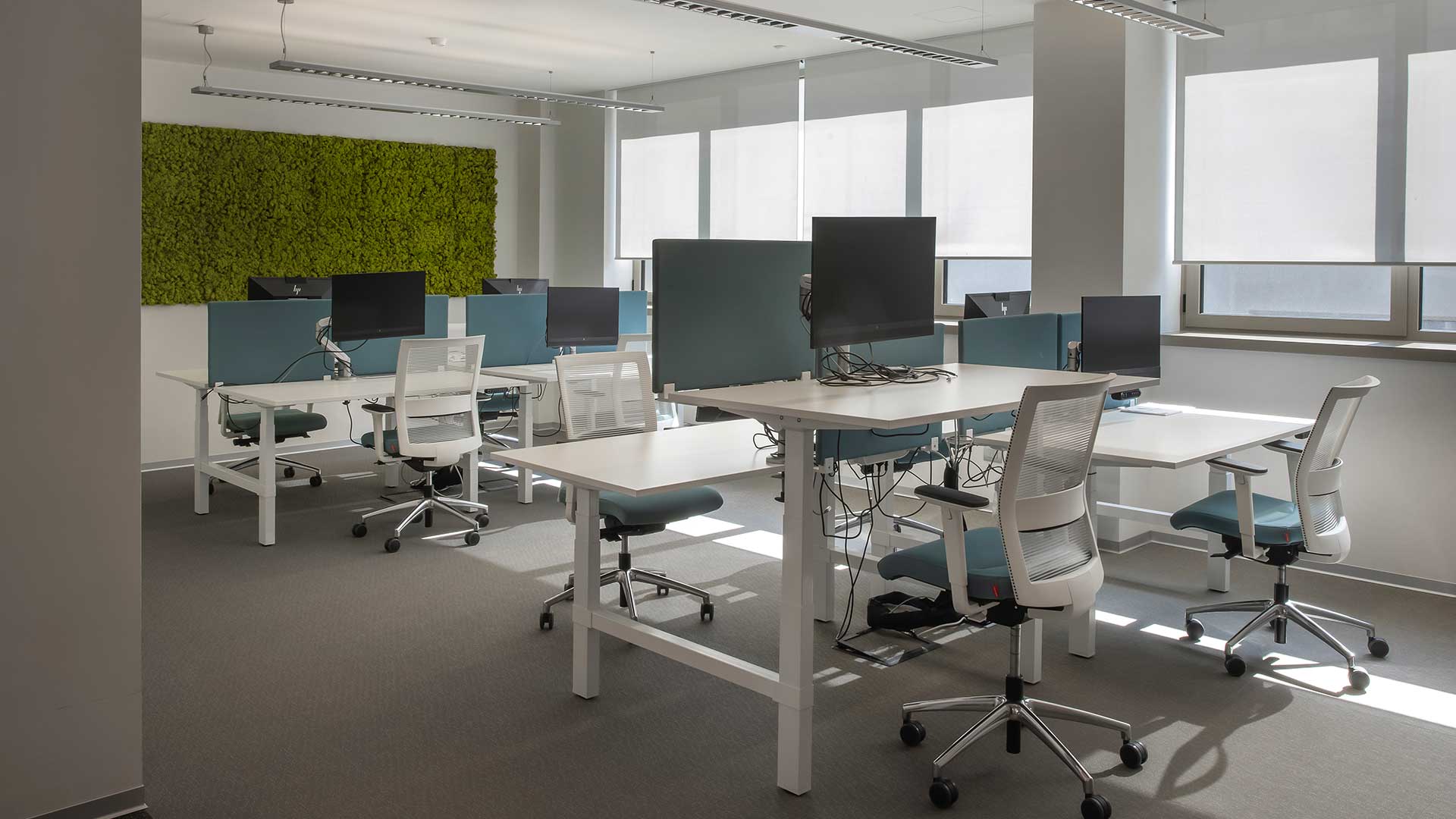
Task seating plays a pivotal role in this evolving scenario. Today’s chairs are slimmer, lighter and tailored to a variety of bodies and settings. With breathable backs, flexible supports and refined finishes, they meet the needs of workers who split their time between shared offices and home studios—and who seek something that’s both functional and aesthetically resonant. Comfort and design merge, reflecting a desire to feel good, and look good, wherever work happens.
Lighting as a Wellness Tool
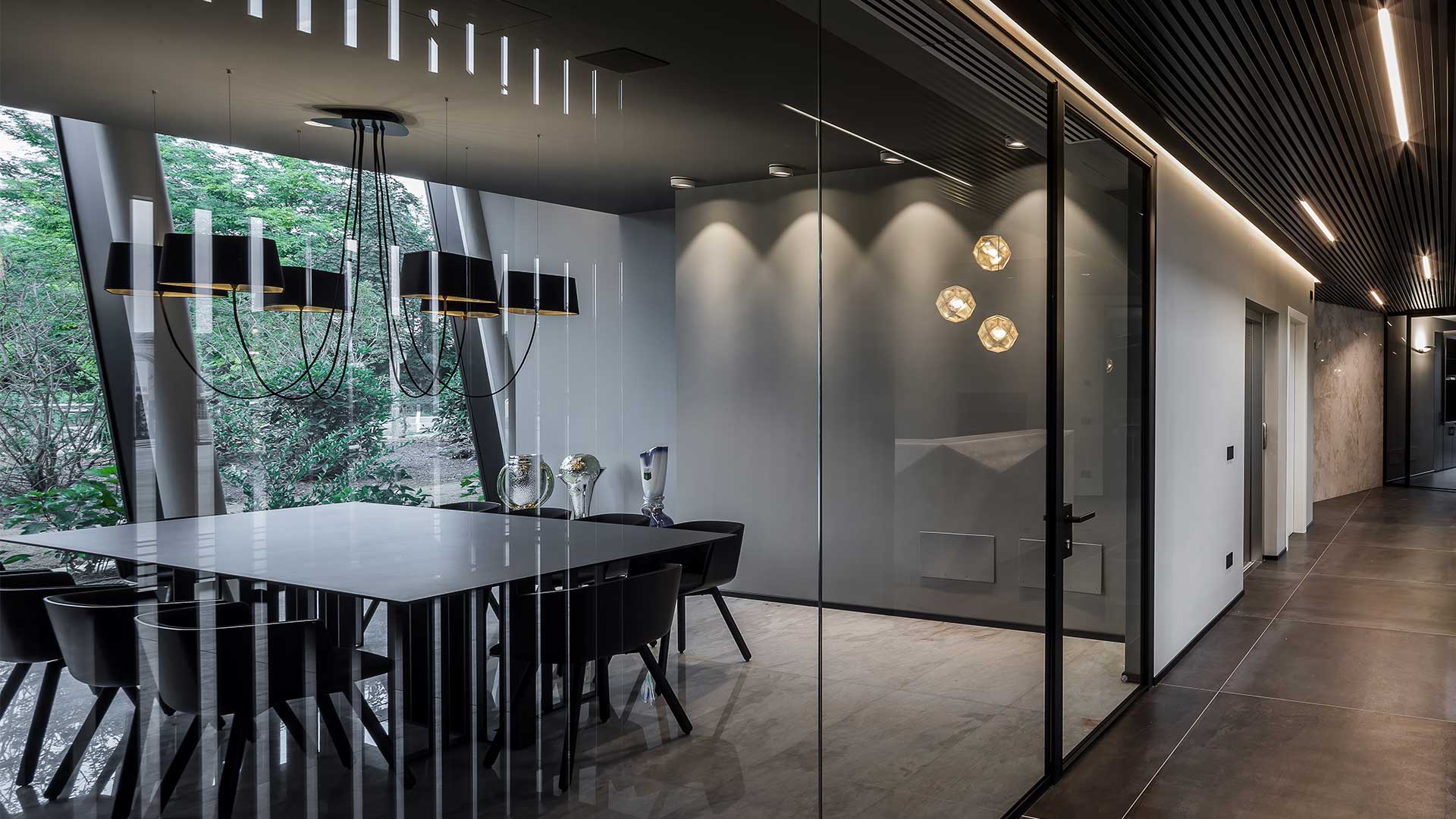
Good lighting is an act of care. It shapes mood, supports concentration, and gently guides peoples’ biological rhythms. The newest desk lamps are portable, intuitive, and customisable—allowing each person to adjust brightness, temperature and direction. Some include presence sensors for energy efficiency; others act as luminous sculptures, casting a warm elegance across the room. The goal? To let each worker create a visual atmosphere that feels like their own.
How to Furnish the Hybrid Office with Biophilia in Mind
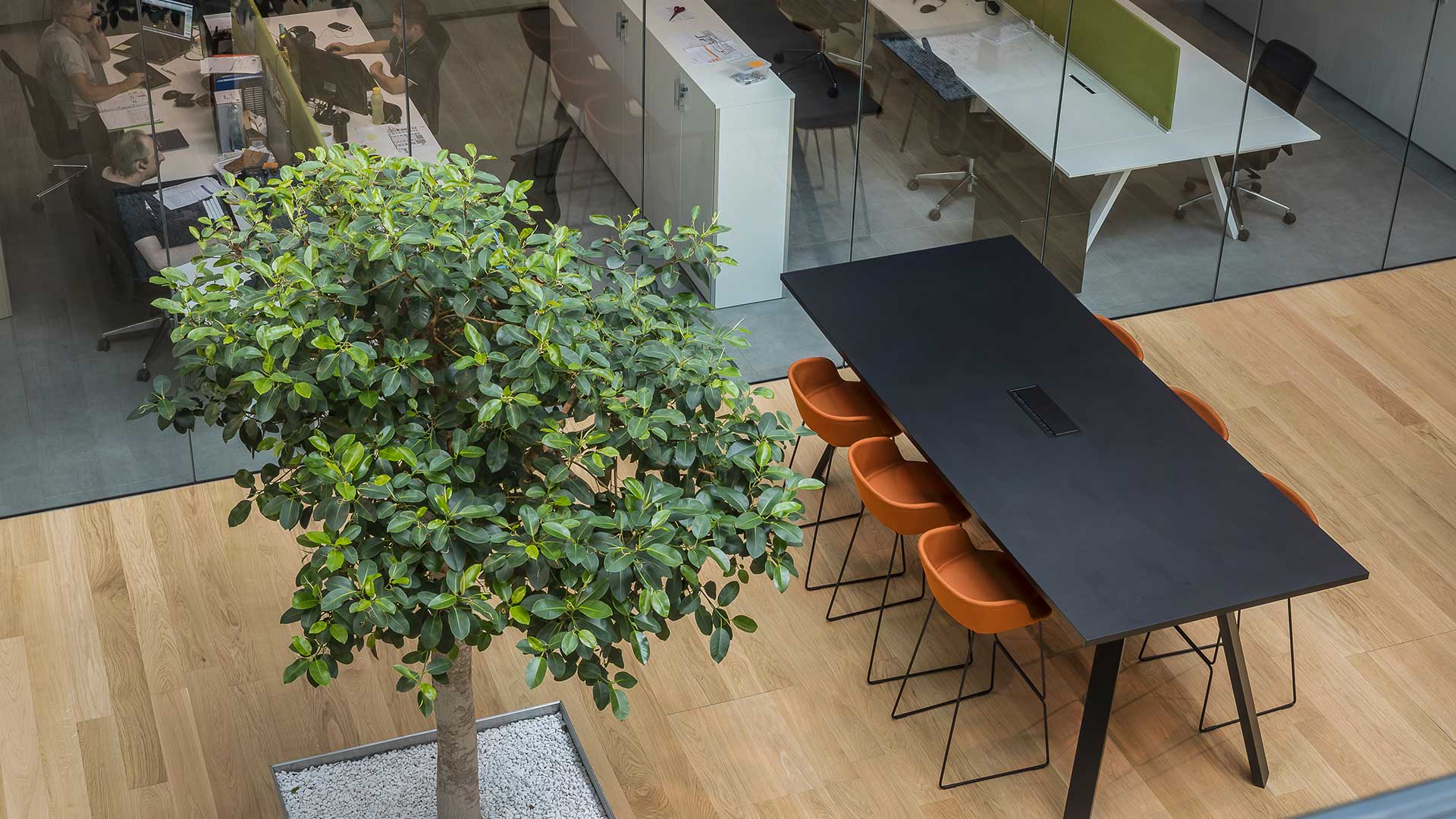
Bringing greenery indoors it’s a necessity. Biophilic design has been shown to improve worker productivity by up to 15%. Plants enhance air quality, ease mental strain and soften the visual landscape. Today, the language of nature is embedded at every scale: from lush indoor trees and vertical gardens to leafy partitions and botanical furniture accents. The result is a living aesthetic of vitality—one where natural light, too, becomes a key material in the architect’s palette.