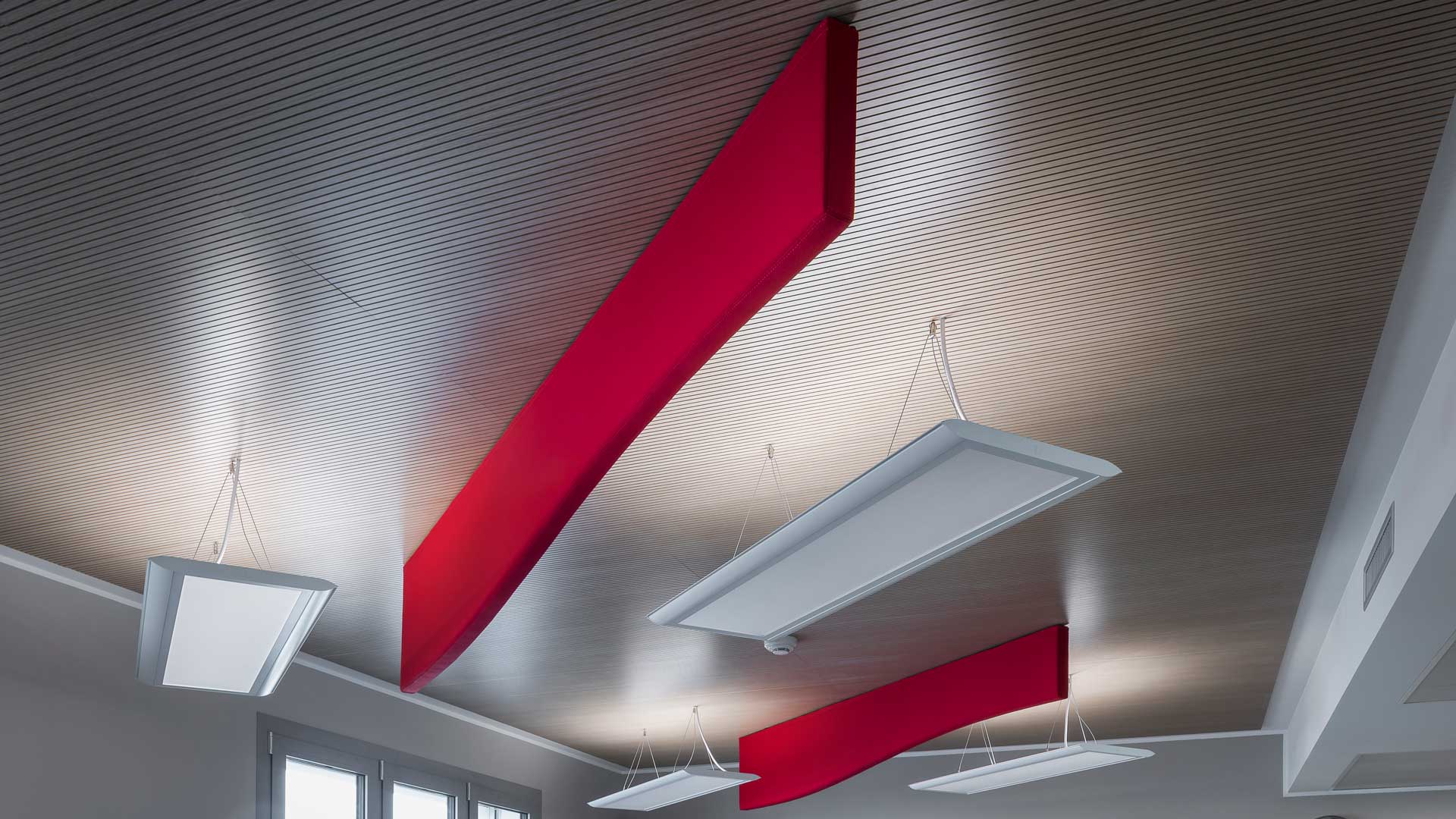
Among the most widely used materials for improving acoustic performance in the workplace, felt stands out for its versatility. Applied to partition walls, desk screens or ceiling panels, it contributes significantly to acoustic comfort.
What Felt Is and How It’s Made

With its natural fibres and water-repellent properties, felt is one of the oldest materials in human history. It’s a textile produced through the felting of wool fibres, which—once soaked in hot water, impregnated with soap, and repeatedly pressed and beaten—bind together in an irreversible process.
The raw material comes from animal hair, most commonly carded sheep’s wool, which makes felt both warm and lightweight. Thanks to these properties, Greeks and Romans are believed to have used it for garments and cloaks designed to protect against harsh weather.
Natural and Synthetic Felt
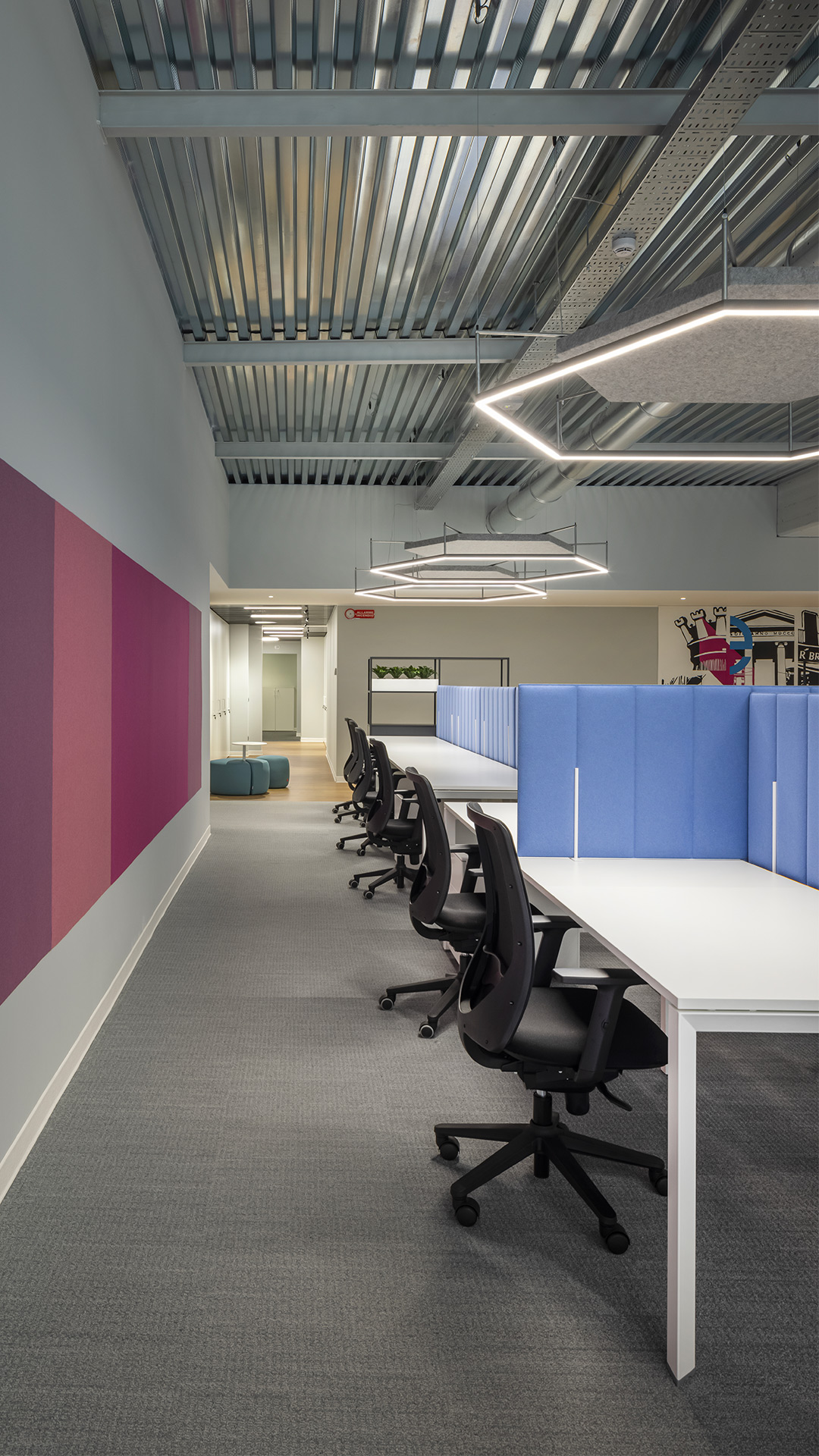
Today it is available not only in its natural form but also in high-performance synthetic versions, ideal for workspaces. While natural felt is made from pure wool, synthetic felt combines wool blends with man-made fibres. Their surface feel differs slightly: both are elastic, yet the synthetic version tends to be firmer and more structured.
Key Properties
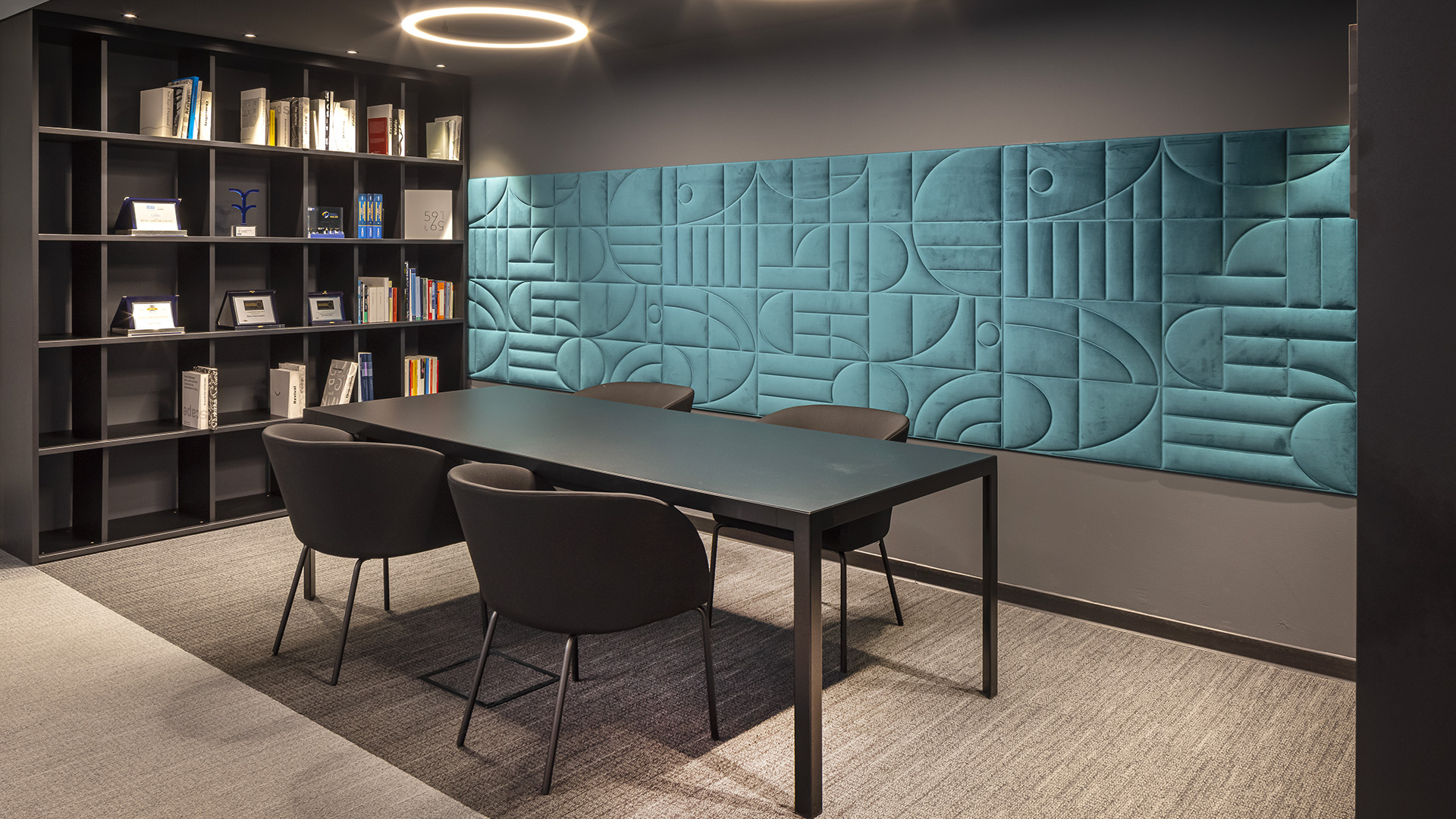
Felt for architectural use comes in many variations, each with its own set of characteristics, from waterproofing to sound absorption. When impregnated with resins or other treatments, it can acquire additional technical qualities and present different surface textures. In general, felt offers several advantages:
- Elasticity and resistance to pressure and compression
- Excellent insulation properties, blocking both sound and heat transfer
- High moisture-absorption capacity, releasing water gradually
- The possibility of being fully waterproof or selectively permeable depending on treatment
- Strong resistance to heat, acids, abrasion and impact
- A wide palette of colour options
- Water- and oil-repellent properties for added versatility
- Naturally antibacterial
How Felt Is Used in the Office
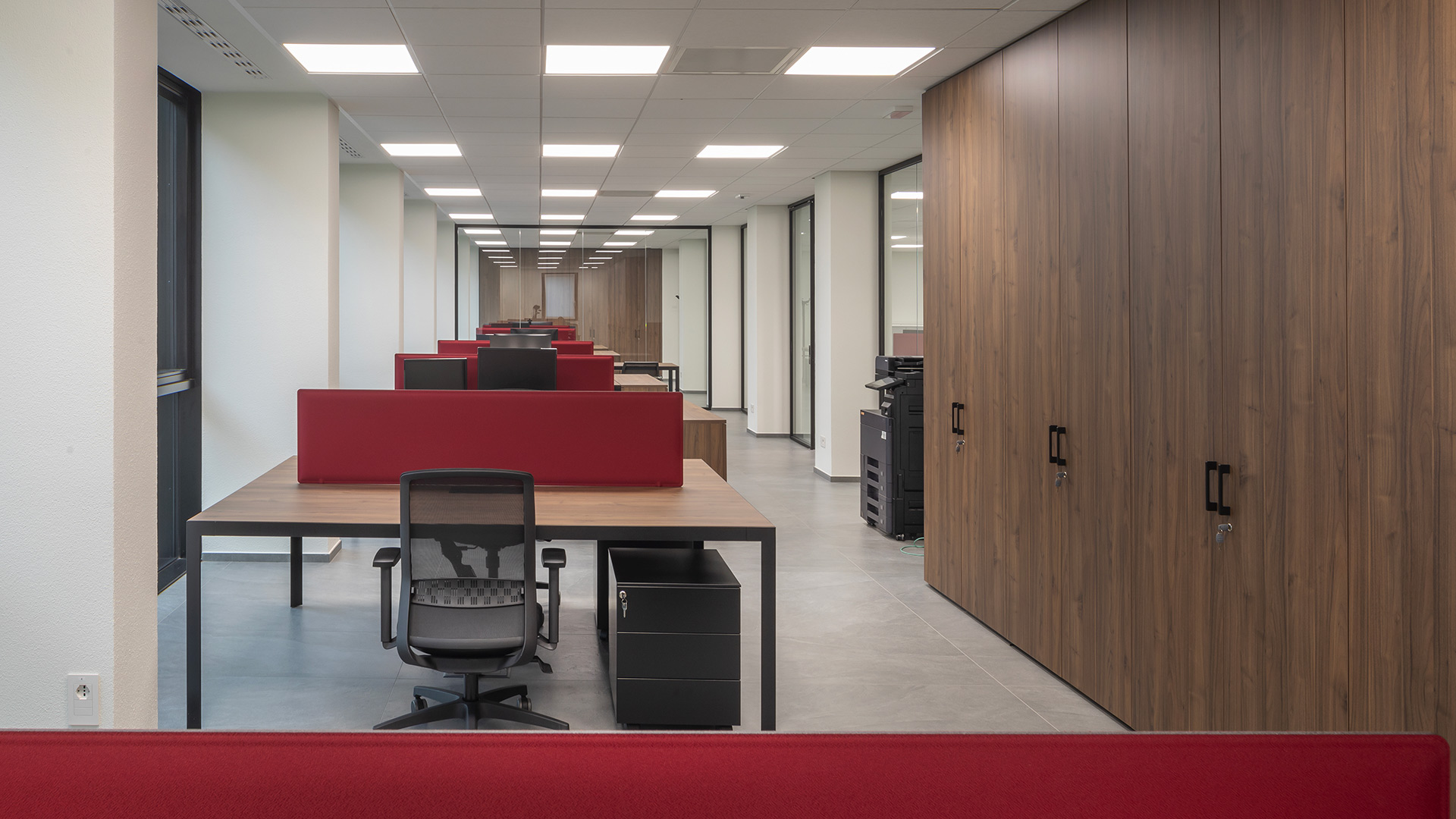
From adhesive “wall-cutting” strips to insulating panels for walls, floors and ceilings, as well as multilevel sheets with sound-blocking layers, the applications of felt are extensive. Felt-clad acoustic panels, for instance, offer excellent performance and great flexibility. Here are the most common ways felt shapes contemporary workspaces:
Partition Walls
It is often used to cover the solid sections of partition walls, either vertically or horizontally. One fascinating application involves thin, adjustable slats that can redirect sound depending on the layout. Beyond enhancing acoustic comfort, these finishes allow for visual customization through a broad range of colours.
Desk and Bench Divider Screens
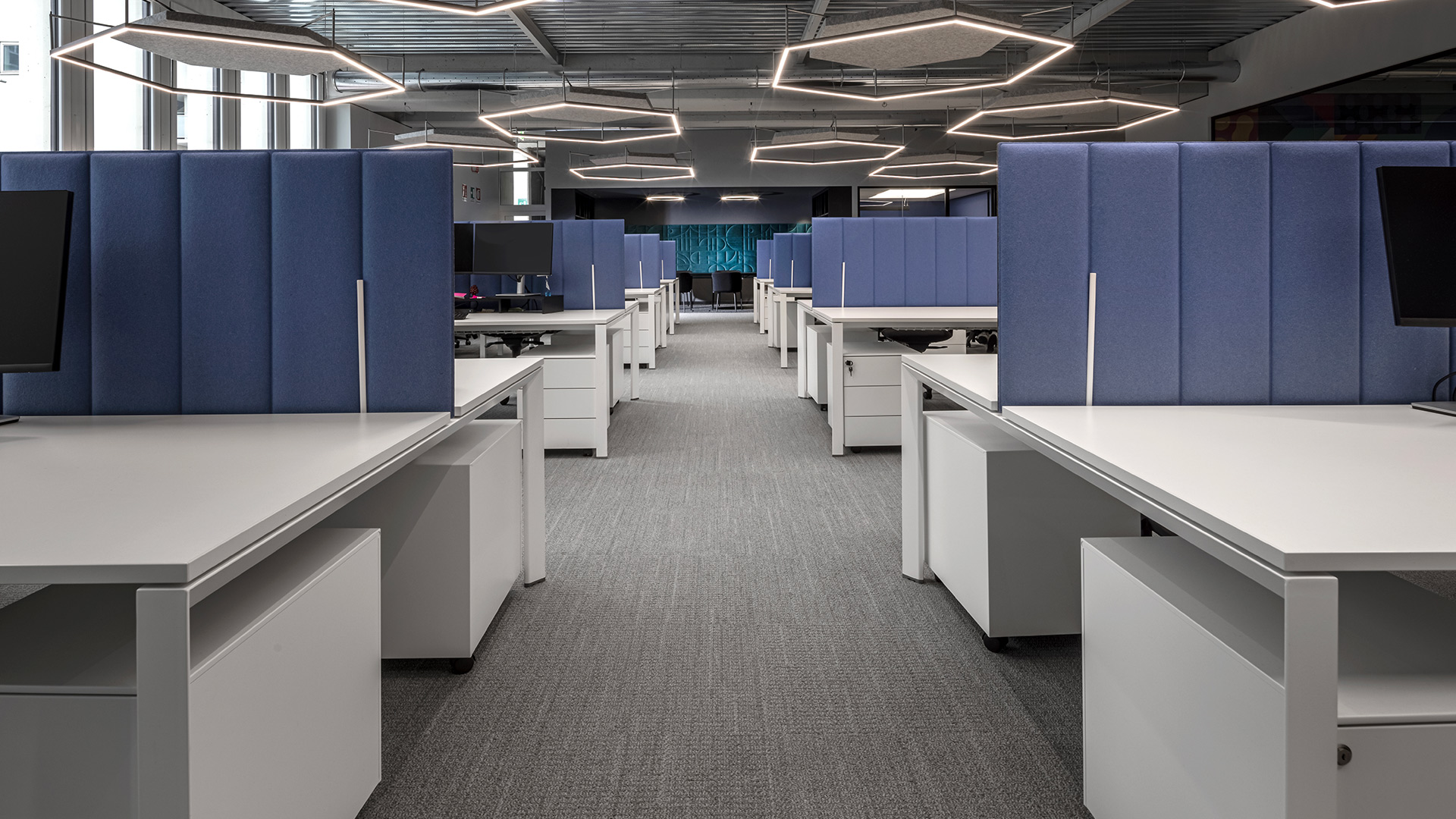
In multi-station work areas, acoustic comfort is essential for maintaining focus. Felt-covered desk screens help absorb and dampen noise, improving productivity. Available in different formats, they can be mounted directly on the worktop or secured with clamps to the desk structure.
Freestanding Divider Screens
Freestanding felt screens are ideal for separating clusters of desks in open-plan offices. Their sound-absorbing qualities create well-defined work zones and improve privacy. Lightweight and easy to move, these panels allow rapid reconfiguration based on daily activities.
Ceiling Baffles
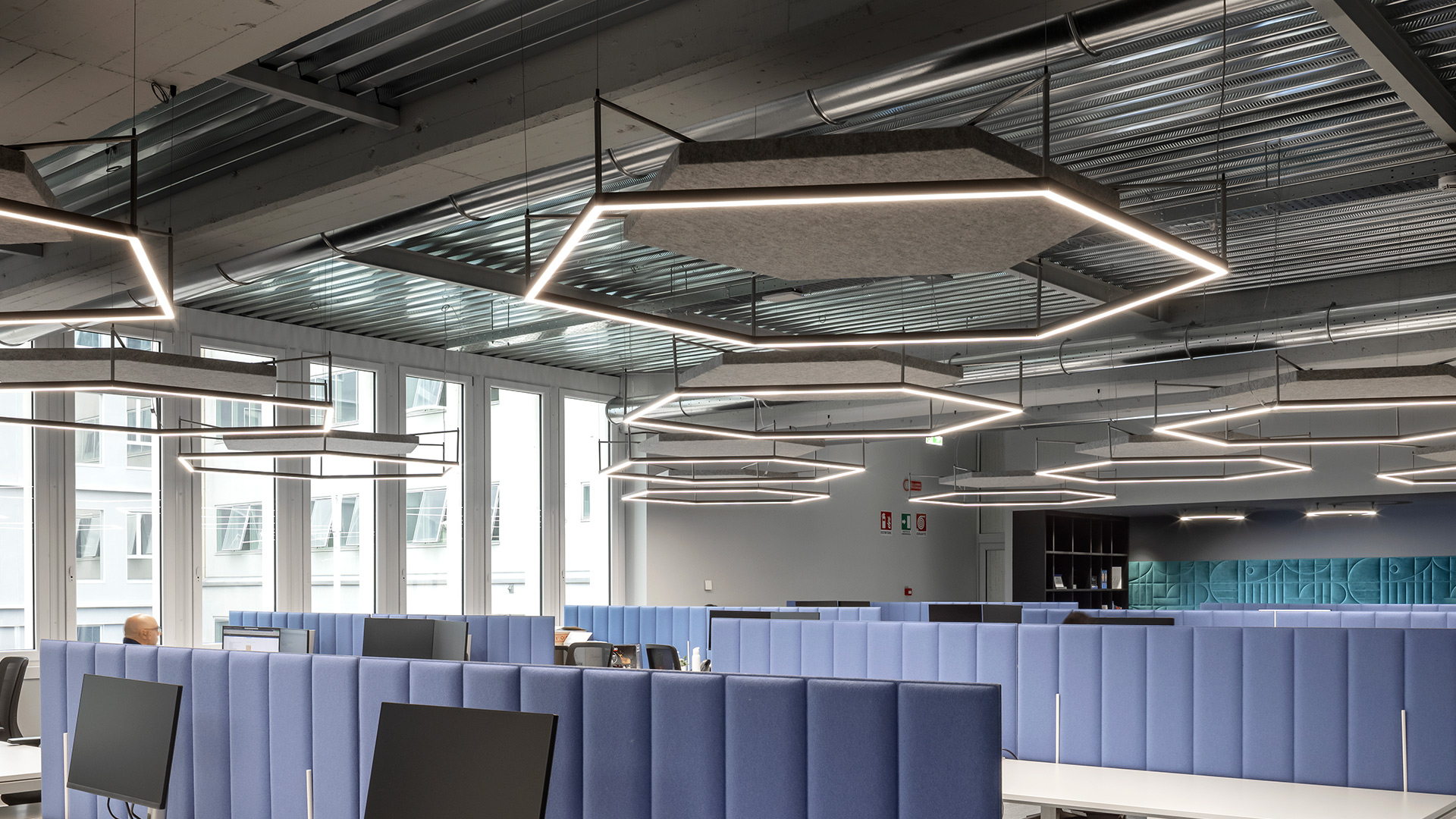
Felt baffles (horizontal or vertical acoustic panels suspended from the ceiling) are a common solution for reducing reverberation. Their orientation determines how sound waves are diffused, contributing to consistent, high-quality acoustics. Available in many colours, they can also help identify specific areas within the office or integrate LED bars for overhead lighting.
Interiors for Phone Booths
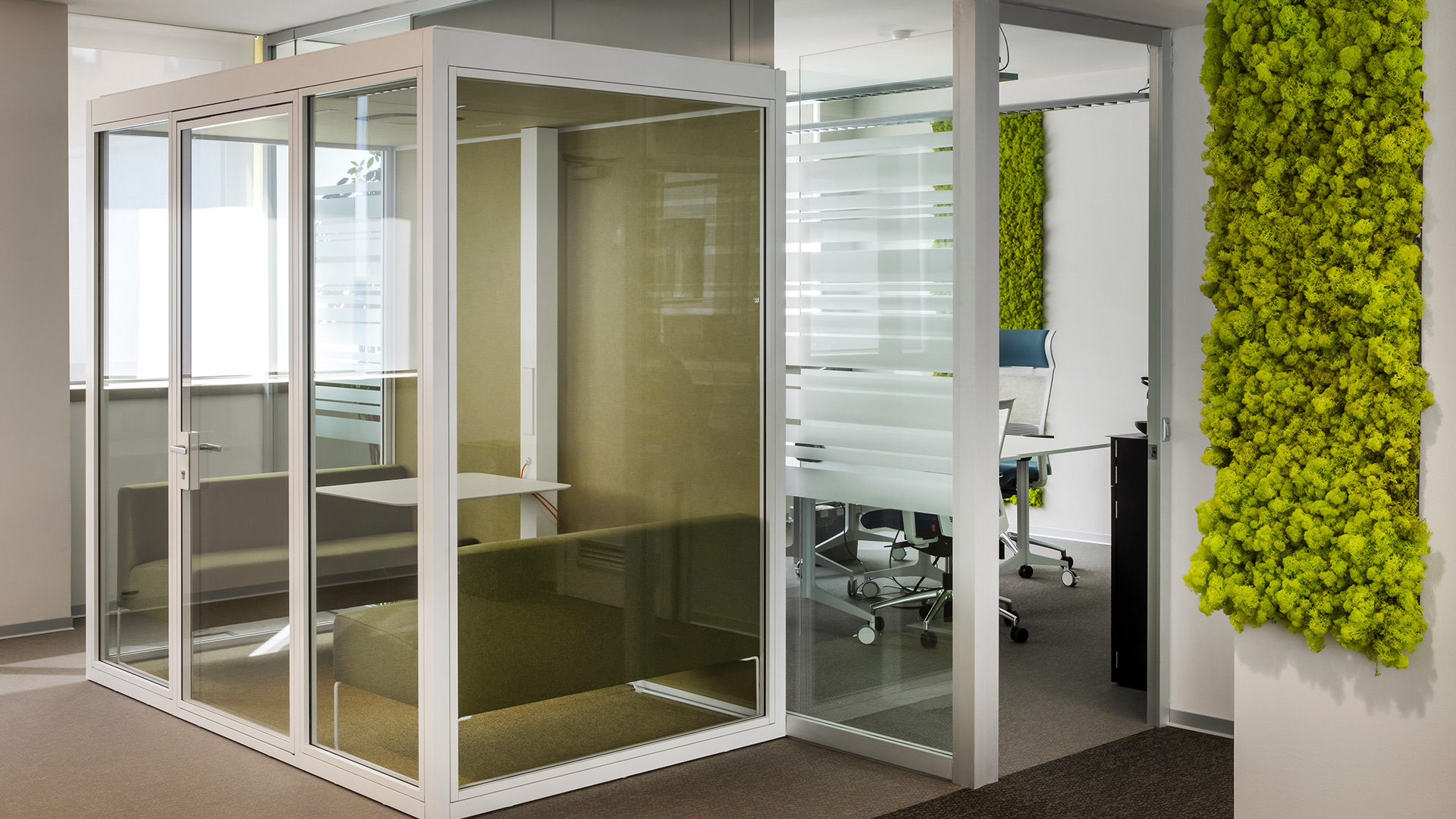 Phone booths—compact, sound-insulated cabins for calls and video meetings—often use felt linings to enhance acoustic performance. The material improves sound absorption while adding a tactile layer that complements the glazed surfaces enclosing the booth.
Learn More About Using Felt in the Workplace
For guidance on how to integrate this high-performance material into your office, contact the design team at Level Office Landscape. Their specialists can help identify the most effective applications for your workspace. You can reach them via the form on the website or by calling +39 039 9284831.