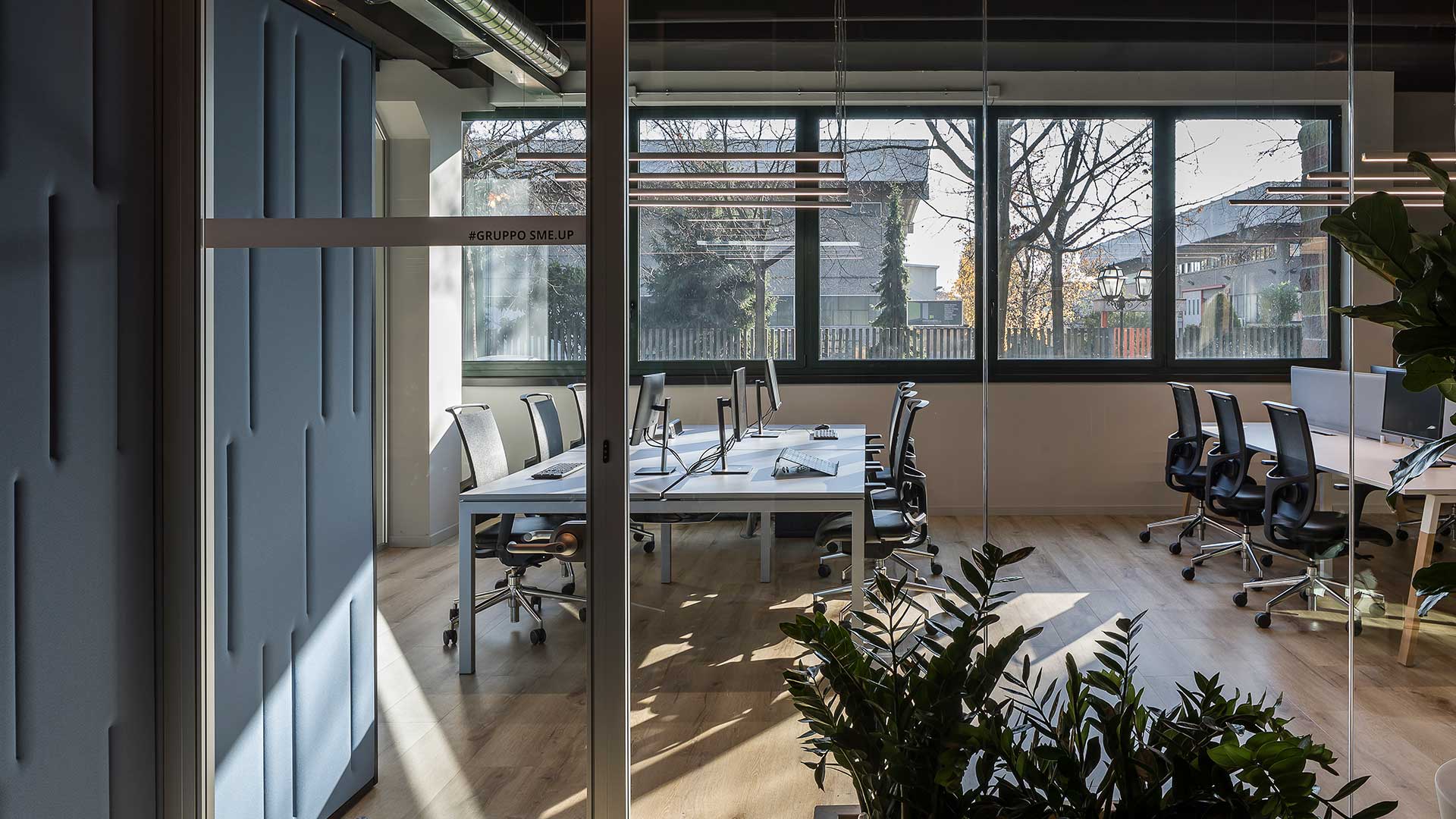
The world of work is evolving rapidly—and so is the way we design workspaces. The rise of hybrid working has transformed the traditional role of the office, which is no longer the central hub of the workweek. According to recent research by the Polimi School of Management, in 2024 around 3,55 million Italians were working remotely, a figure almost unchanged from the 3,58 million recorded in 2023. On average, employees in large Italian companies work from home 9 days per month, compared to 7 days in the public sector and 6 days in small and medium enterprises.
The Future of Workspaces are Flexible and Hybrid Offices
These numbers highlight the growing need to rethink office environments in a more dynamic and inclusive way. Offices are no longer just a place to sit and work—they must now act as hubs that foster collaboration, creativity, social interaction and wellbeing.
Wellbeing, Social Interaction and Productivity: The New Priorities

The pandemic underscored the importance of physical and mental wellbeing in the workplace. In addition to promoting teamwork, today’s offices must also support focus and work-life balance. Modern office spaces are designed to connect colleagues while offering quiet areas for individual concentration and places to recharge. The hybrid offices are becoming a kind of urban microcosms, where experiences intersect—from creative brainstorming to mindful breaks, informal meetings to spaces for meditation. Here the emerging trends in flexible office design.
Agile Interiors: Versatile Spaces for Ever-Changing Needs
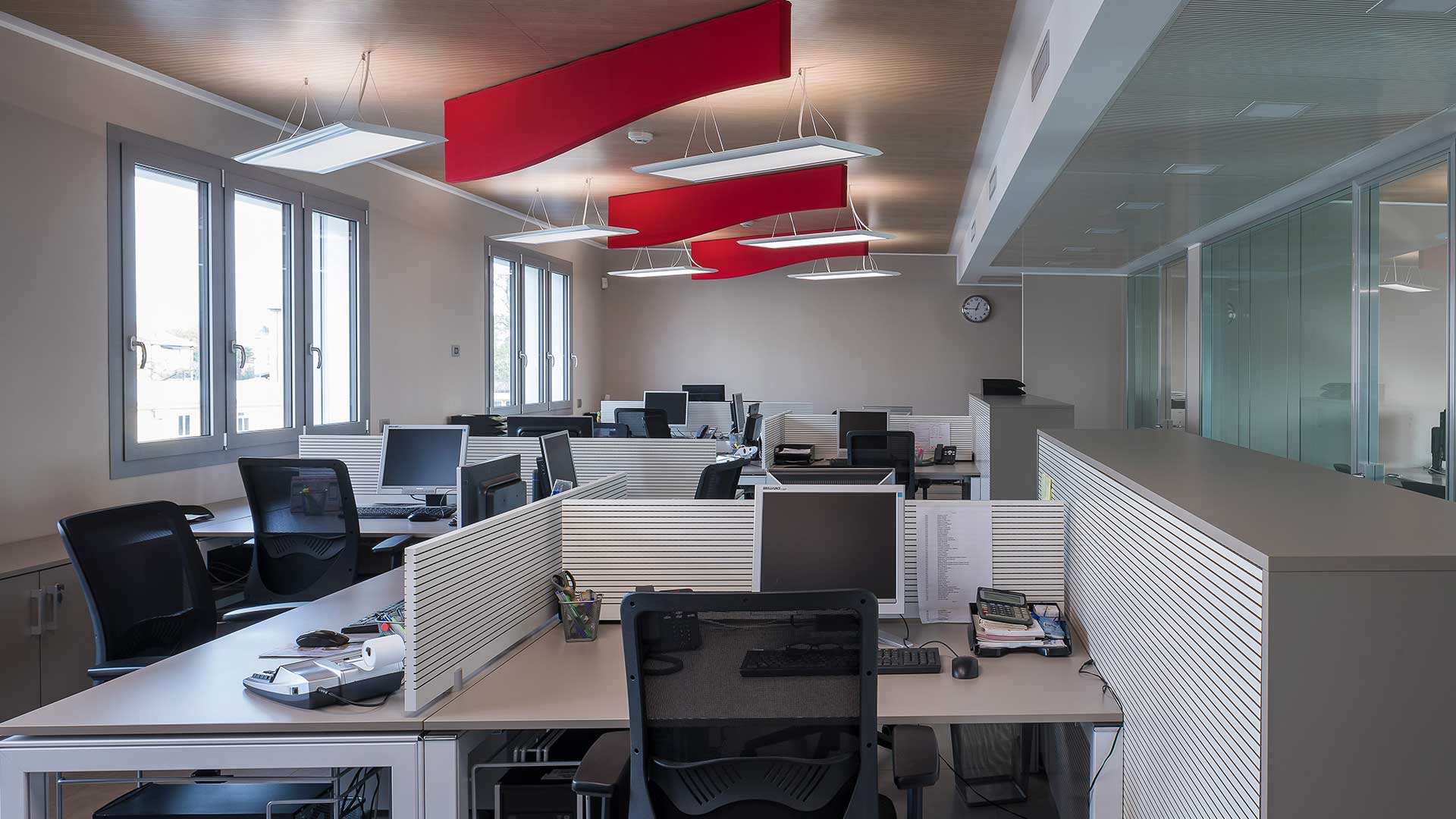
Agile interior design offers a practical response to fluctuating attendance and the need for multifunctional spaces. Traditional open-plan layouts are being reimagined to truly support collaborative work, through the integration of modular furniture, movable partitions and flexible layouts that can adapt to daily requirements.
Key solutions include:
- Acoustic pods for calls and video meetings
- Partitioned spaces for private meetings or focused work
- Lounge-style meeting points
- Modular prefabricated units for team reshuffling
Community-Centric Design: Hybrid Offices as Social Spaces
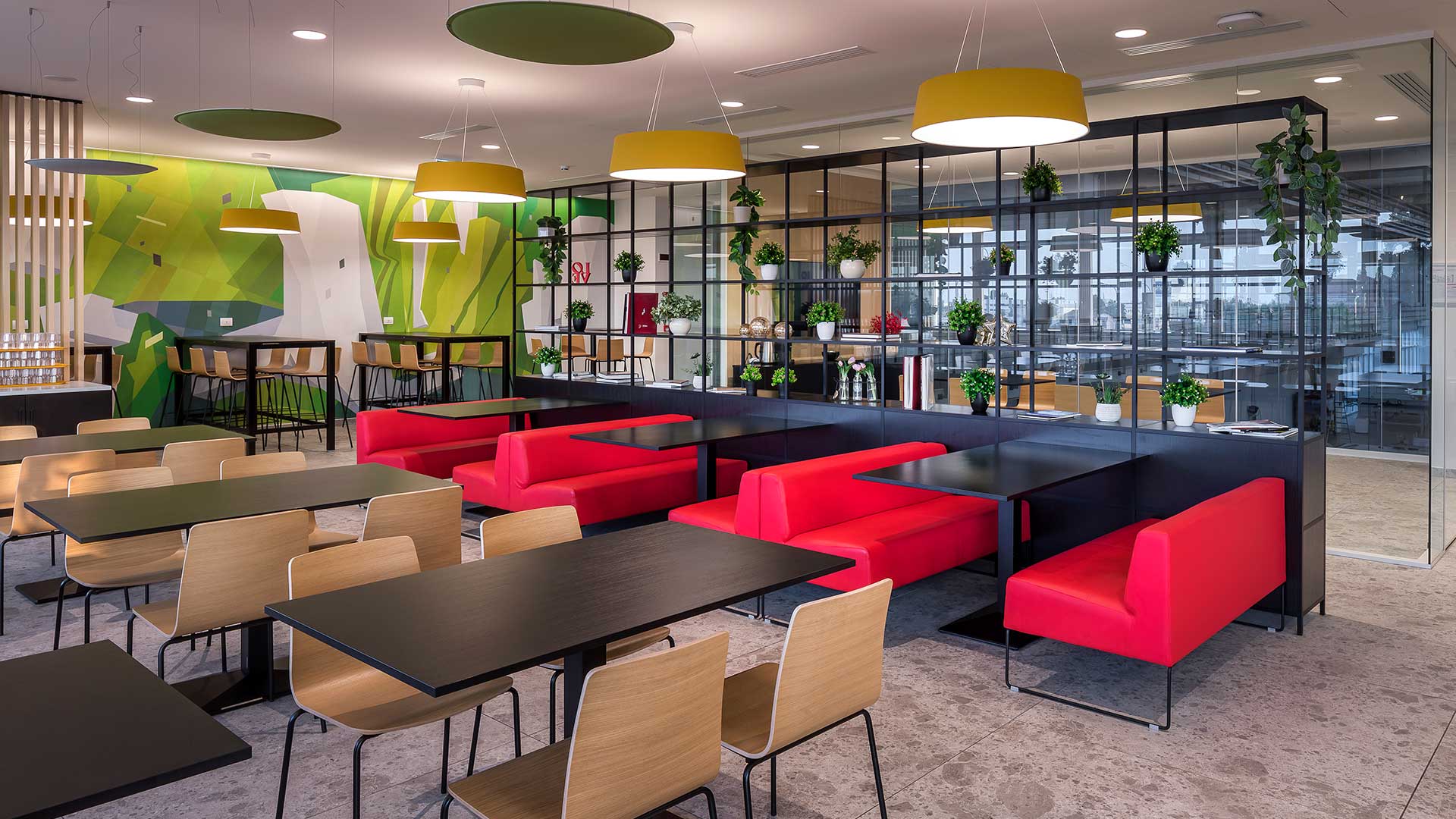
Creating a sense of community is a key goal of the new workplace. Social interaction improves wellbeing and helps reduce stress and hypertension. For this reason, many companies are designing office spaces that replicate urban environments, with dedicated areas for relaxation and informal encounters. Examples include:
- Office campuses modeled after small villages, complete with libraries, cafés and open squares
- “Third Place” spaces open to the local community, blending coworking, events and wellness activities
This approach takes inspiration from hospitality design, incorporating cozy lounges and shared tables to encourage informal exchange.
The Wow Factor: Experiential Spaces that Inspire Creativity
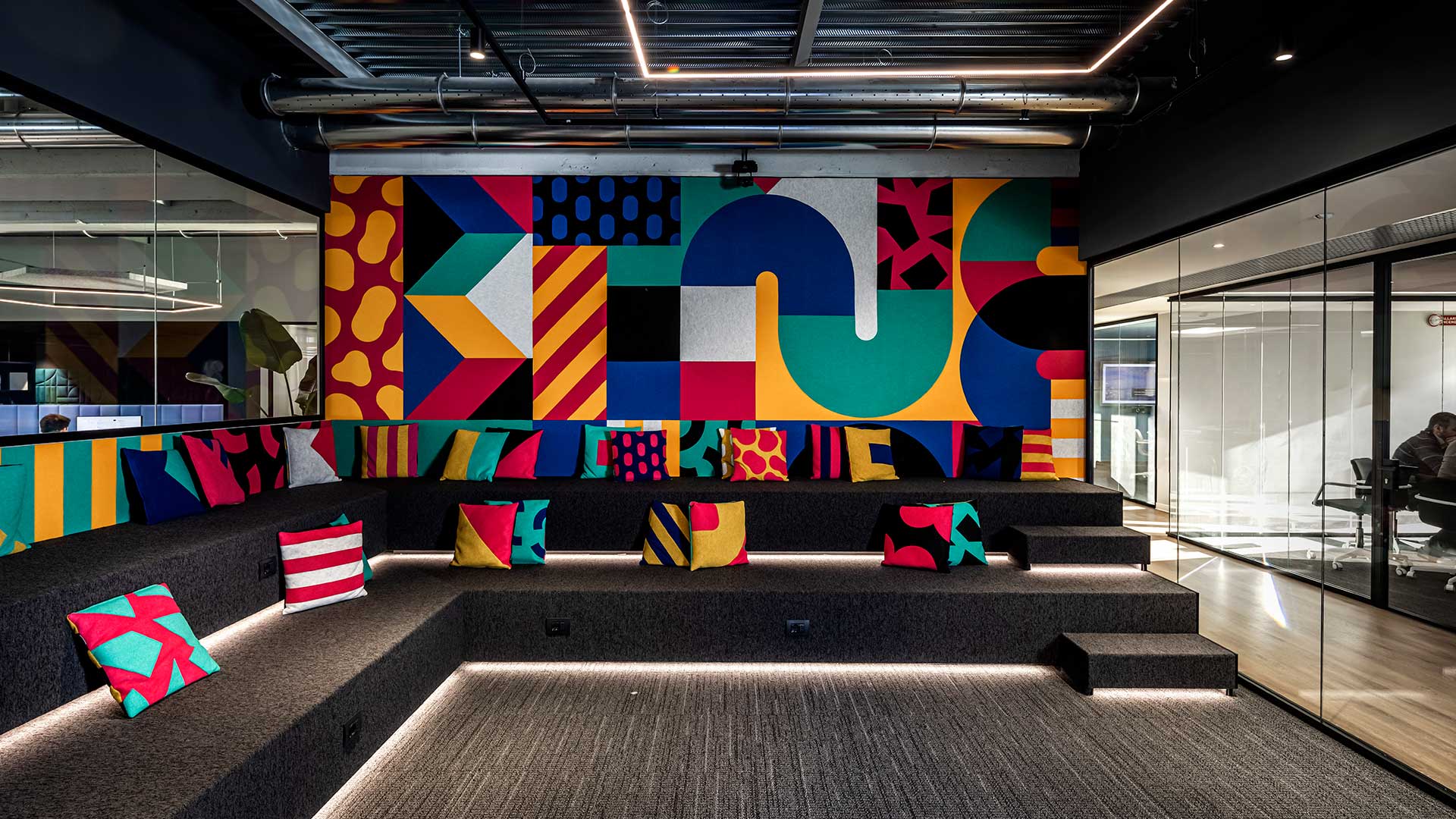
In an era marked by digital fatigue, workplaces must surprise and engage. The “Wow Factor” focuses on immersive and interactive environments that fuel creativity and innovation. Notable examples:
- Offices featuring site-specific art installations
- Striking lobbies designed by artists, offering a unique visual and sensory experience
These elements help break the rigidity of traditional office settings and foster new ways of thinking and working.
Wellness Spaces: Prioritising Physical and Mental Health in Hybrid Offices
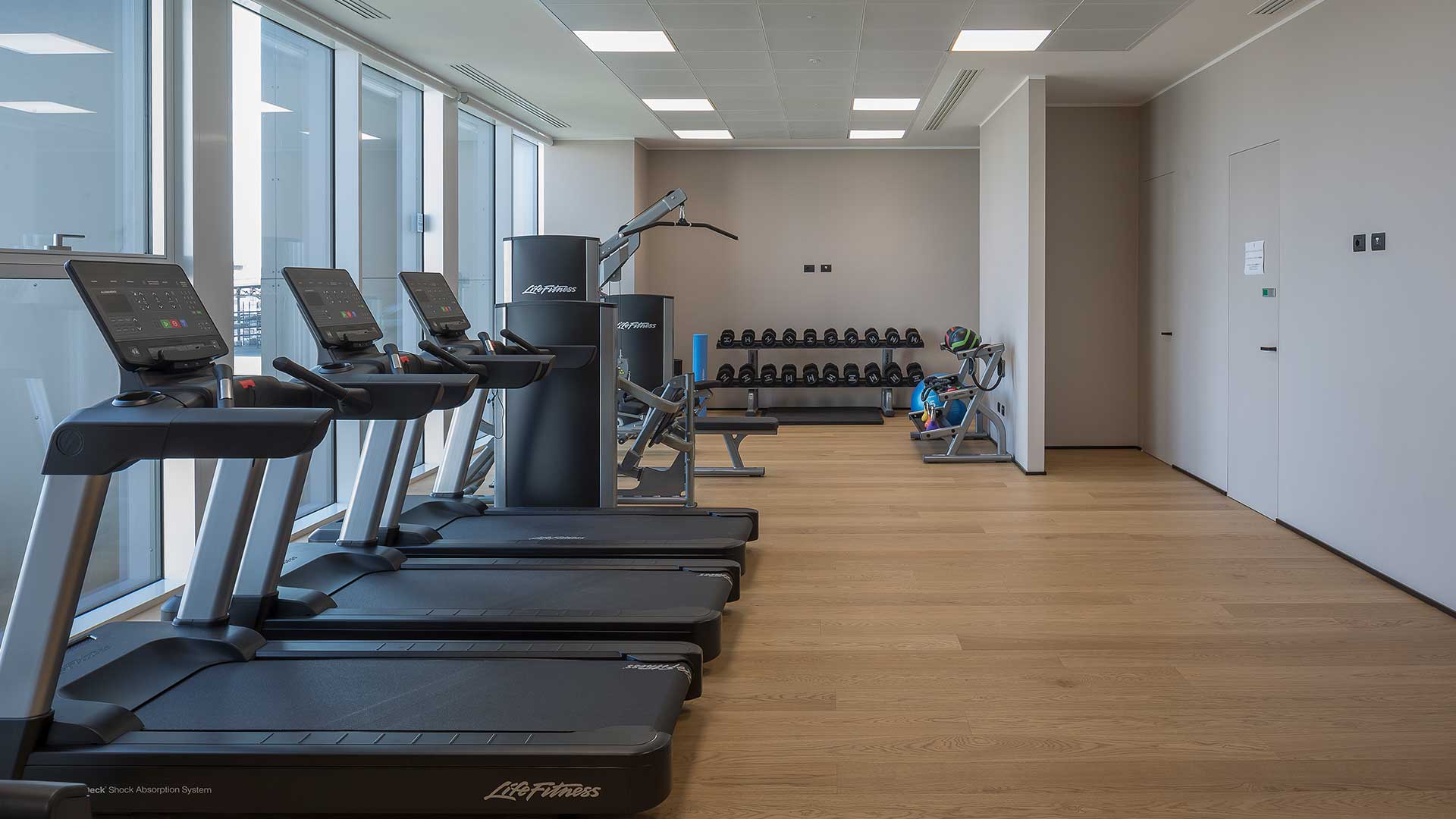
Post-pandemic office design puts a strong emphasis on wellbeing. Nearly 48% of employees returning to the office expect improvements in mental health and work-life balance. Wellness spaces meet this need with areas dedicated to self-care:
- Meditation, yoga and relaxation zones
- Home-like furniture in natural materials and soft tones
- Bright, welcoming environments that promote psychological comfort
- On-site gyms and pools to recharge body and mind
The use of organic shapes, natural light and warm materials creates a more human, restorative atmosphere.
Designing the Office of Tomorrow
Hybrid offices must encourage creativity, facilitate interaction and enhance everyday wellbeing. This requires customisable spaces that support both collaboration and solo work. Layouts should move away from rigidity and embrace experimentation through modular dividers and flexible architecture.
Long-lasting materials and natural components also play a crucial role in promoting comfort, sustainability and employee productivity. In short, designing flexible workspaces means responding to the evolving needs of the modern workplace—boosting productivity while fostering quality of life.